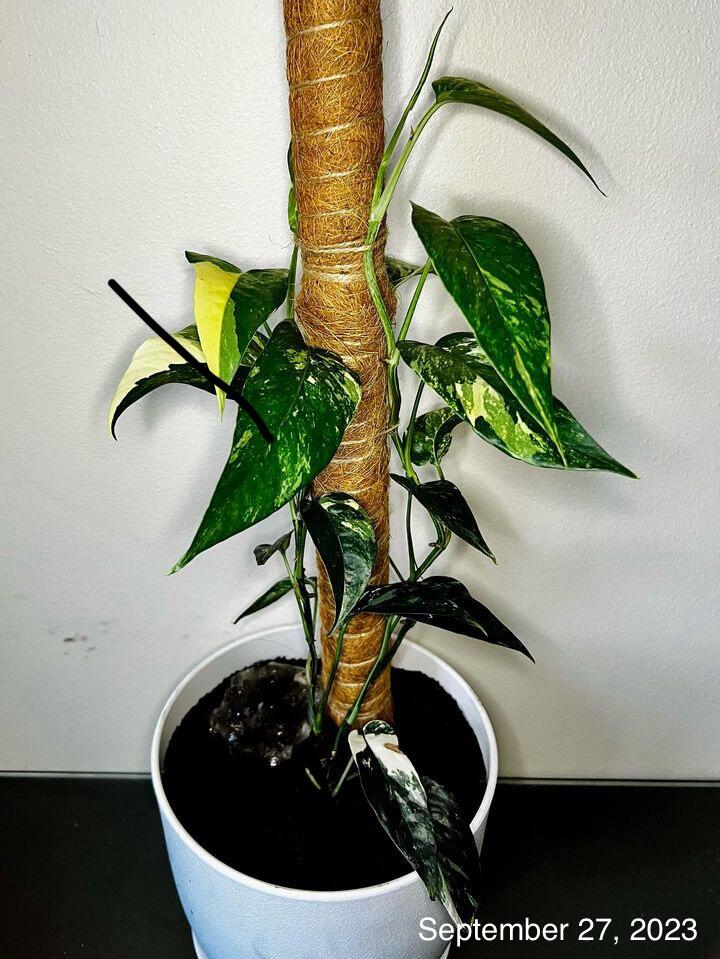
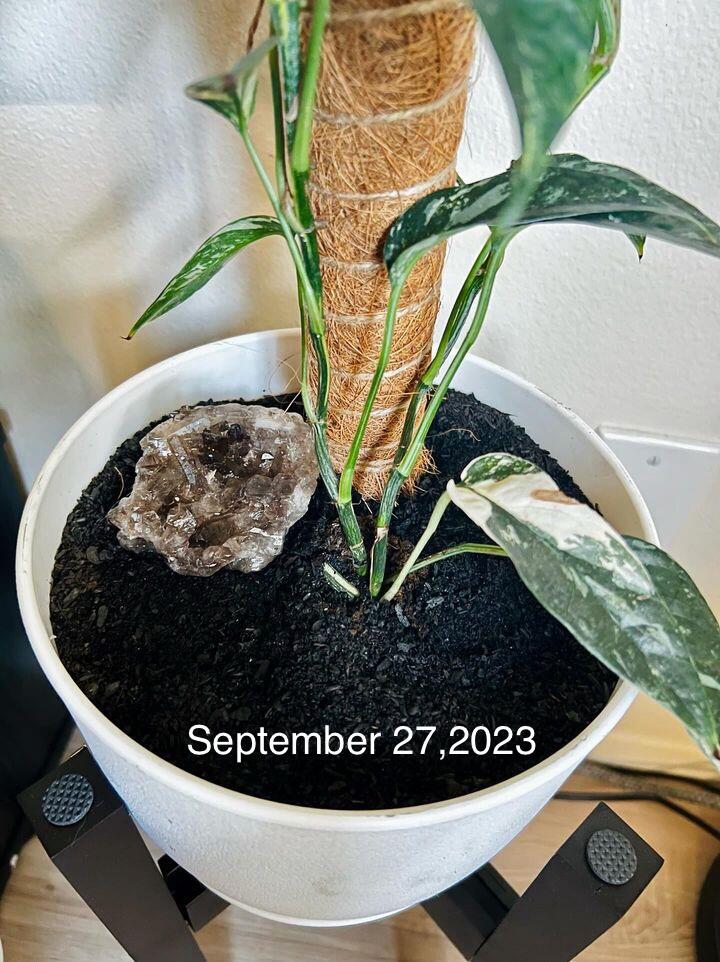
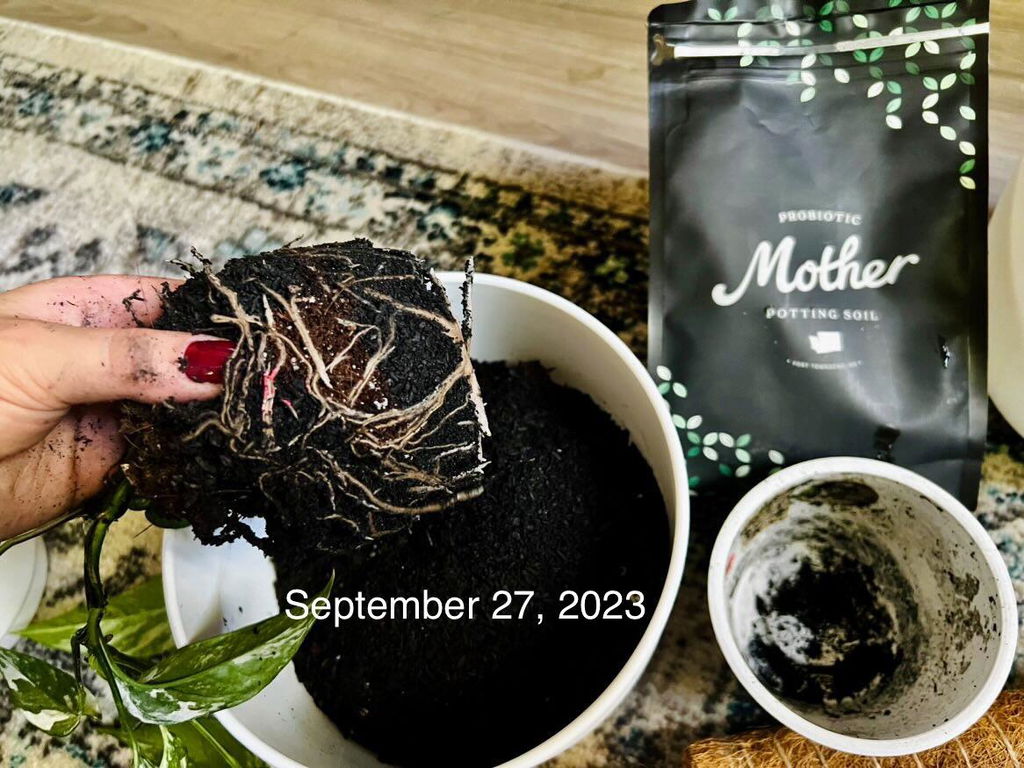
I. Repot.
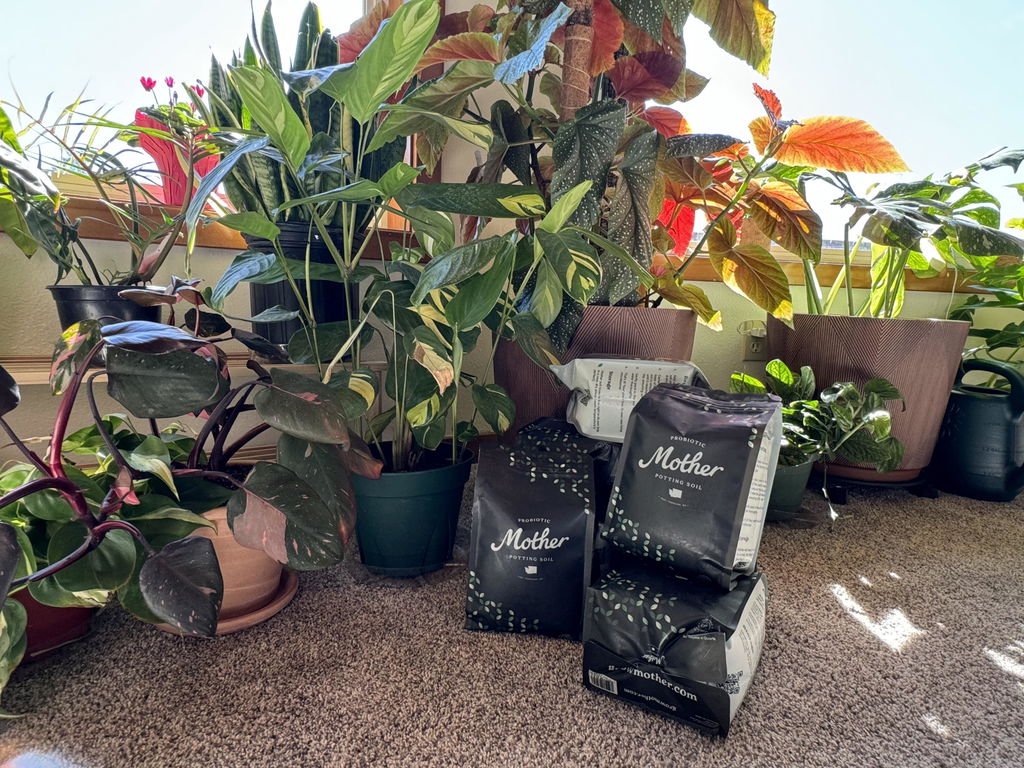
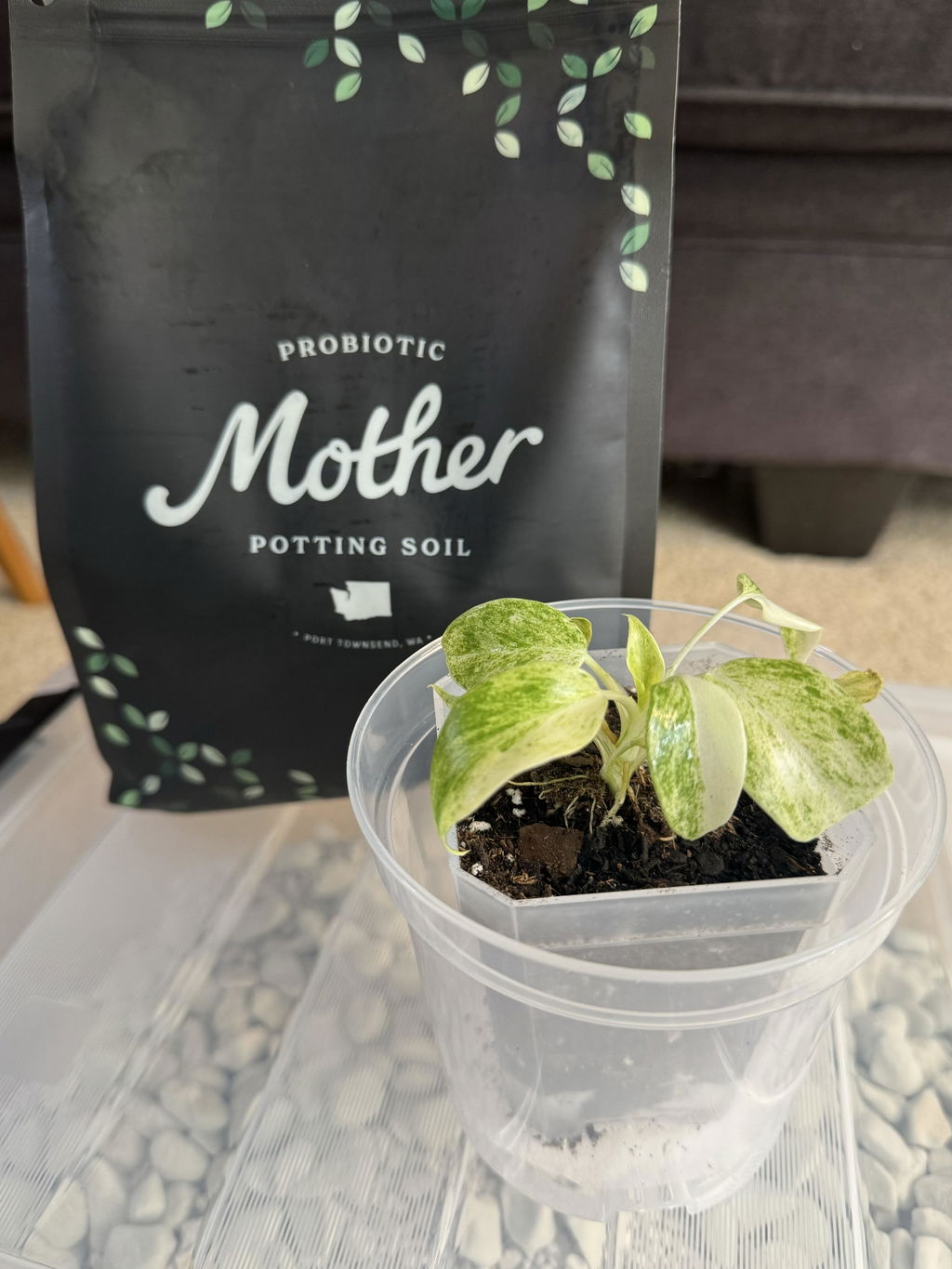
Use Mother straight from the bag for tropicals, aroids, cacti, and most tabletop collections. Drainage is built in.
Keep the bag. No photos, no return shipping, no support tickets — write us once and the money goes back.
Use Mother straight from the bag for tropicals, aroids, cacti, and most tabletop collections. Drainage is built in.

A half-inch layer once a quarter wakes the microbes near the root crown without disturbing settled roots.

Blend Mother into your existing house mix at one part to three. The microbes do the rest.


Hardwood, slow-pyrolyzed at 500°C until what remains is pure honeycombed carbon. Permanent housing for the microbial community.

Eight hundred species of beneficial microbes, brewed in-house for sixty days. The living foundation of every bag.

Cold-water brown seaweed, sun-dried and milled. Sixty trace minerals and natural growth hormones from the North Atlantic.

Pure earthworm digest. Stabilized organic matter teeming with microbes, enzymes, and pH-buffered nutrition.

The molecular architecture of mature soil. Triggers root development at the cellular level.
Hardwood, slow-pyrolyzed at 500°C until what remains is pure honeycombed carbon. Permanent housing for the microbial community.
Eight hundred species of beneficial microbes, brewed in-house for sixty days. The living foundation of every bag.
Cold-water brown seaweed, sun-dried and milled. Sixty trace minerals and natural growth hormones from the North Atlantic.
Pure earthworm digest. Stabilized organic matter teeming with microbes, enzymes, and pH-buffered nutrition.
The molecular architecture of mature soil. Triggers root development at the cellular level.
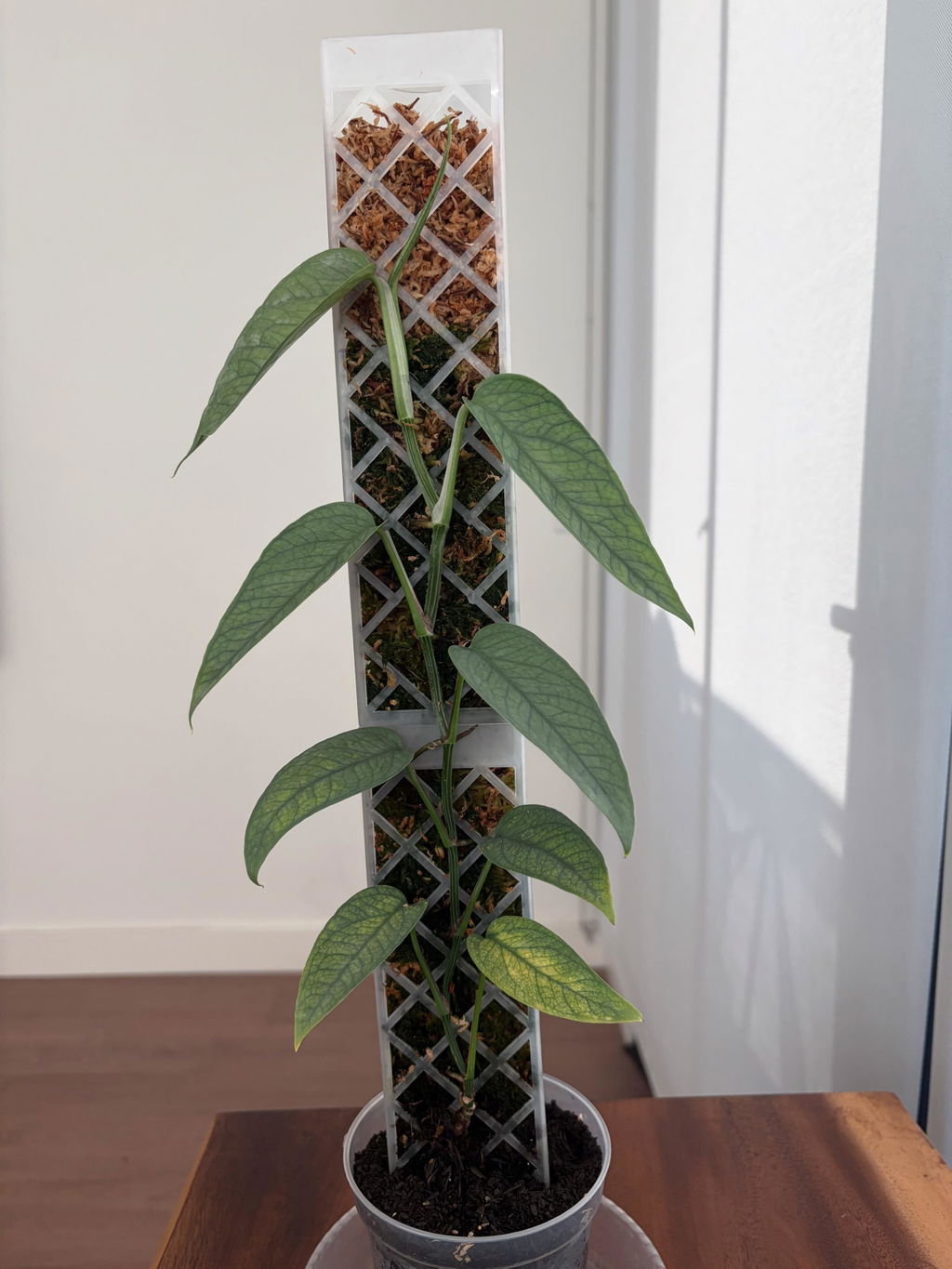
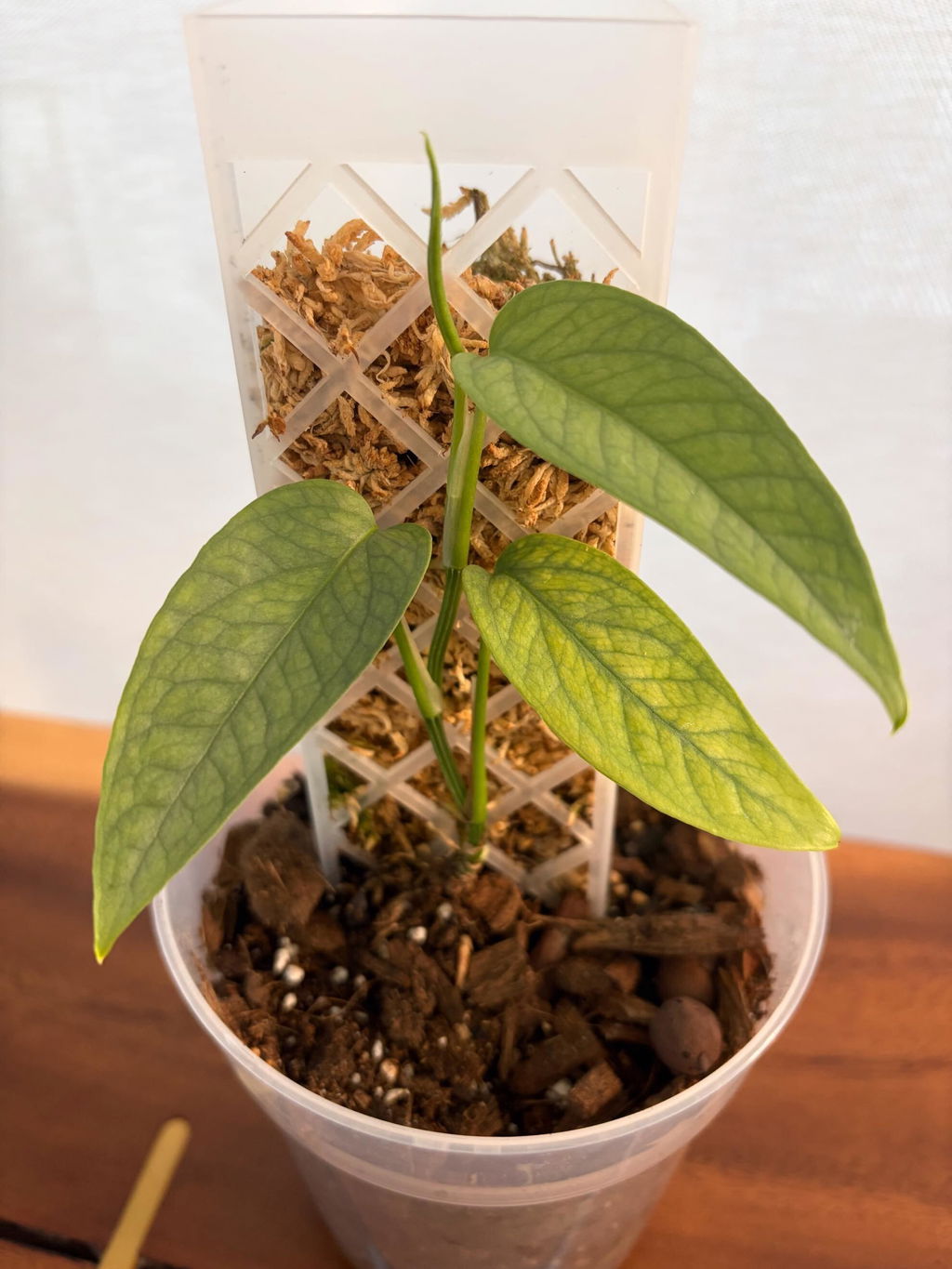
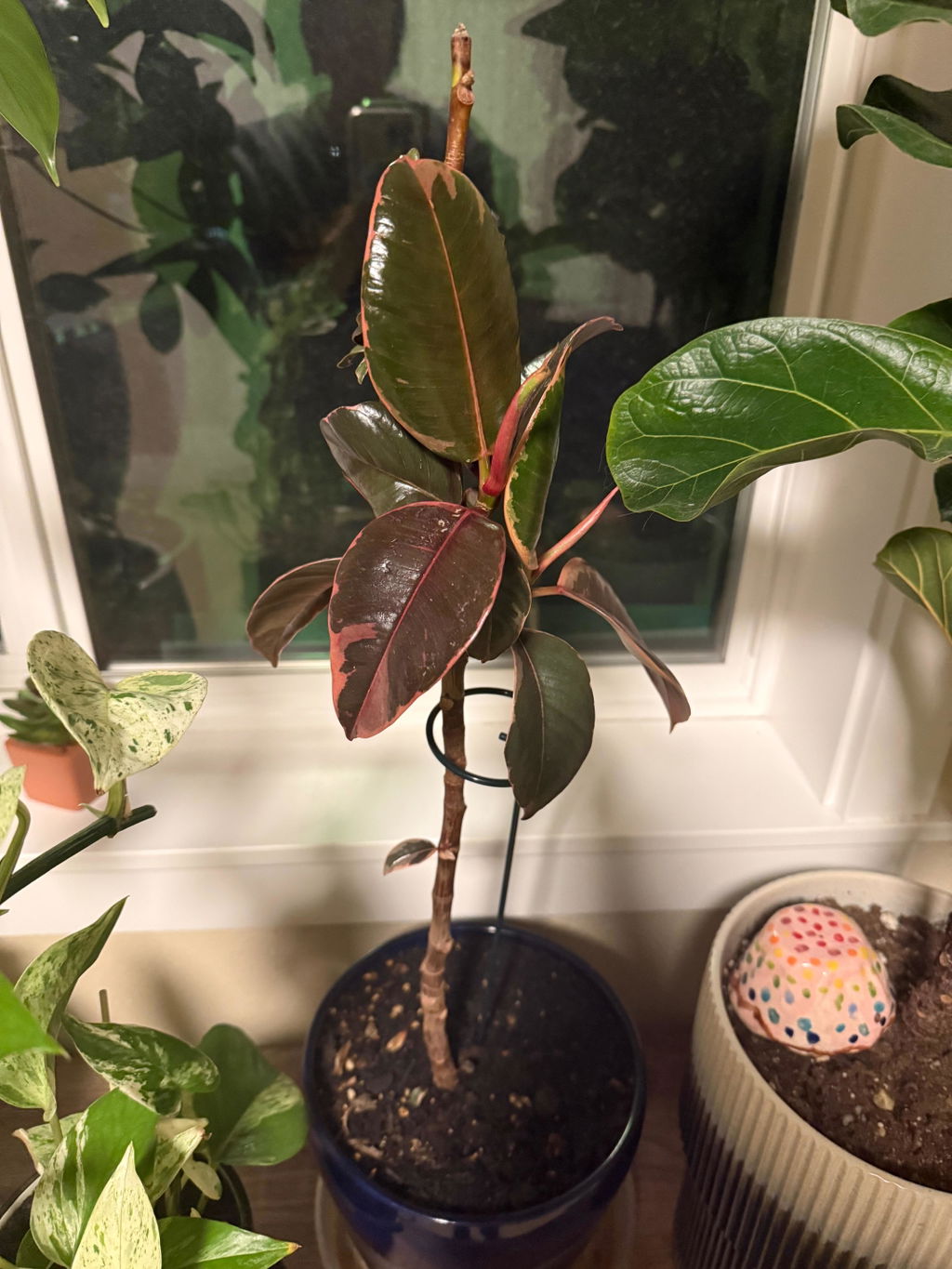
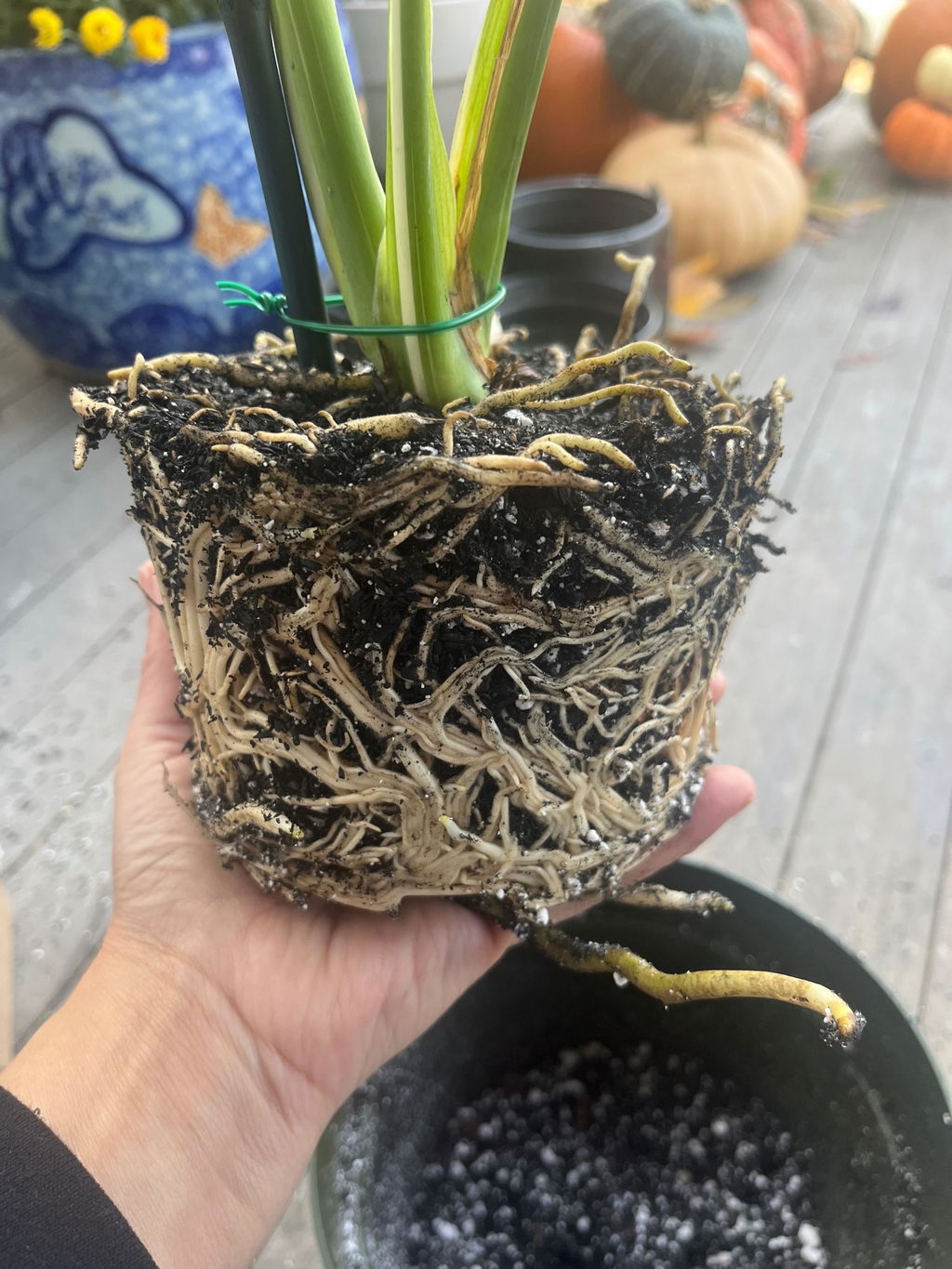
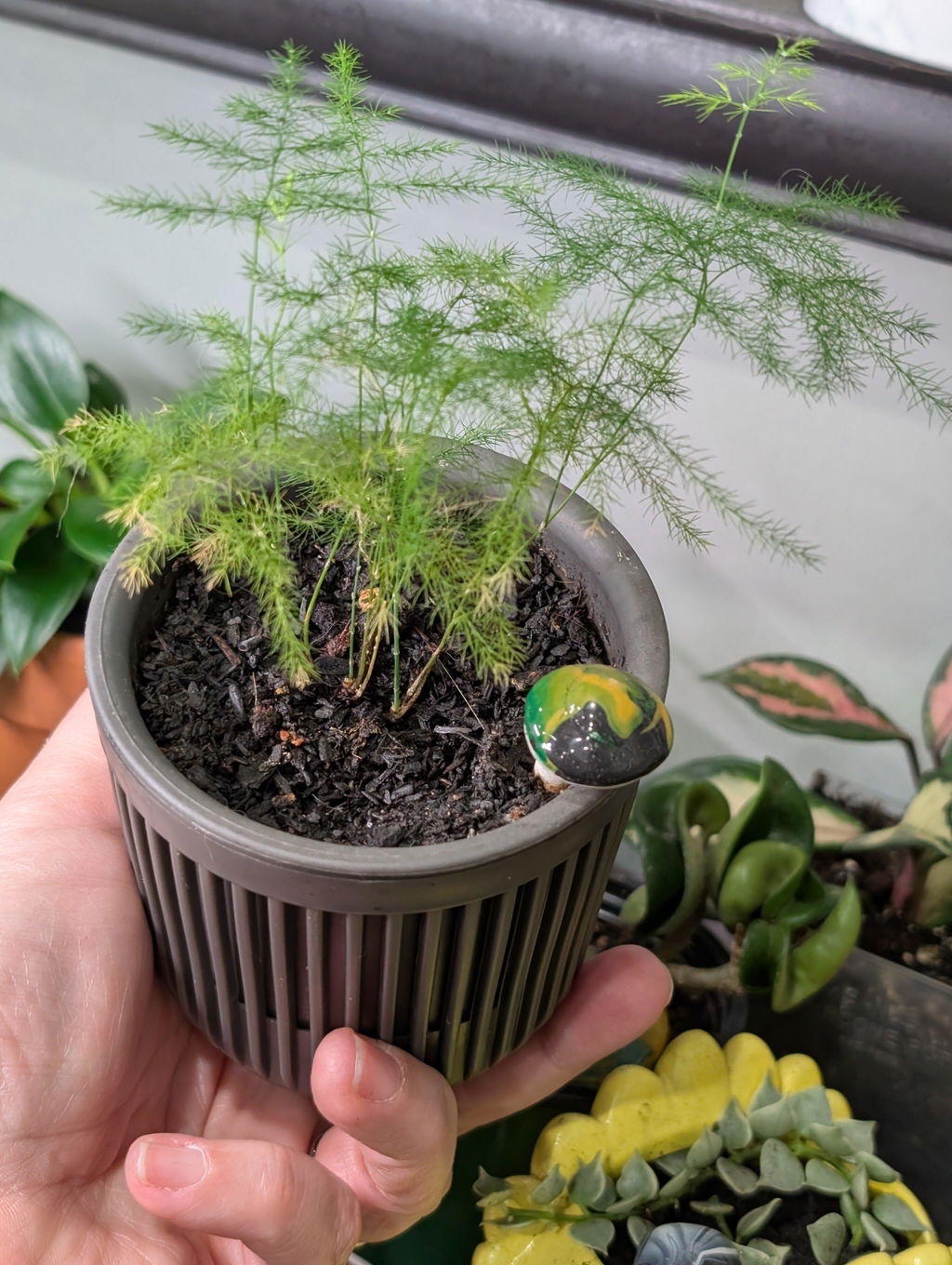
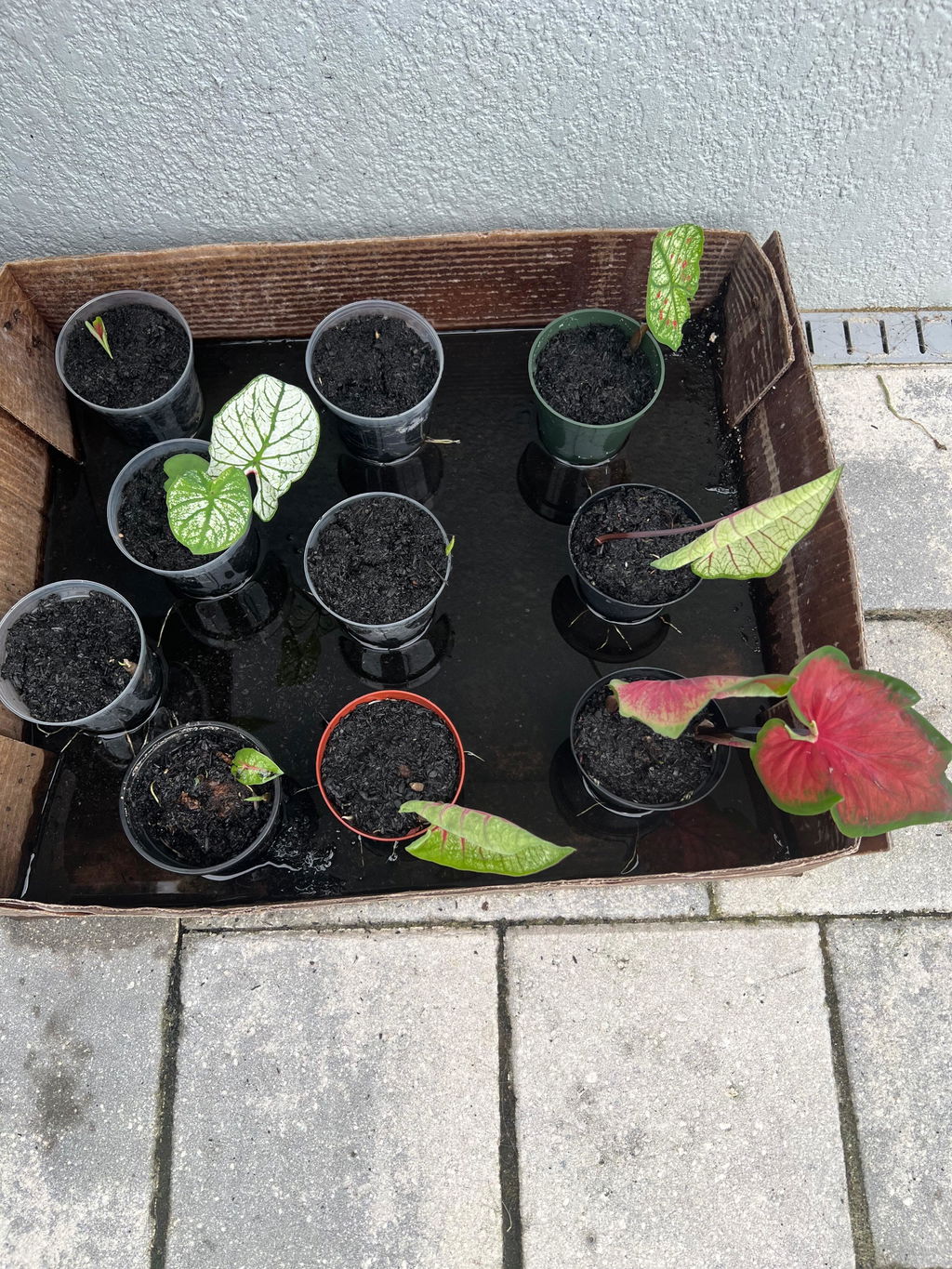
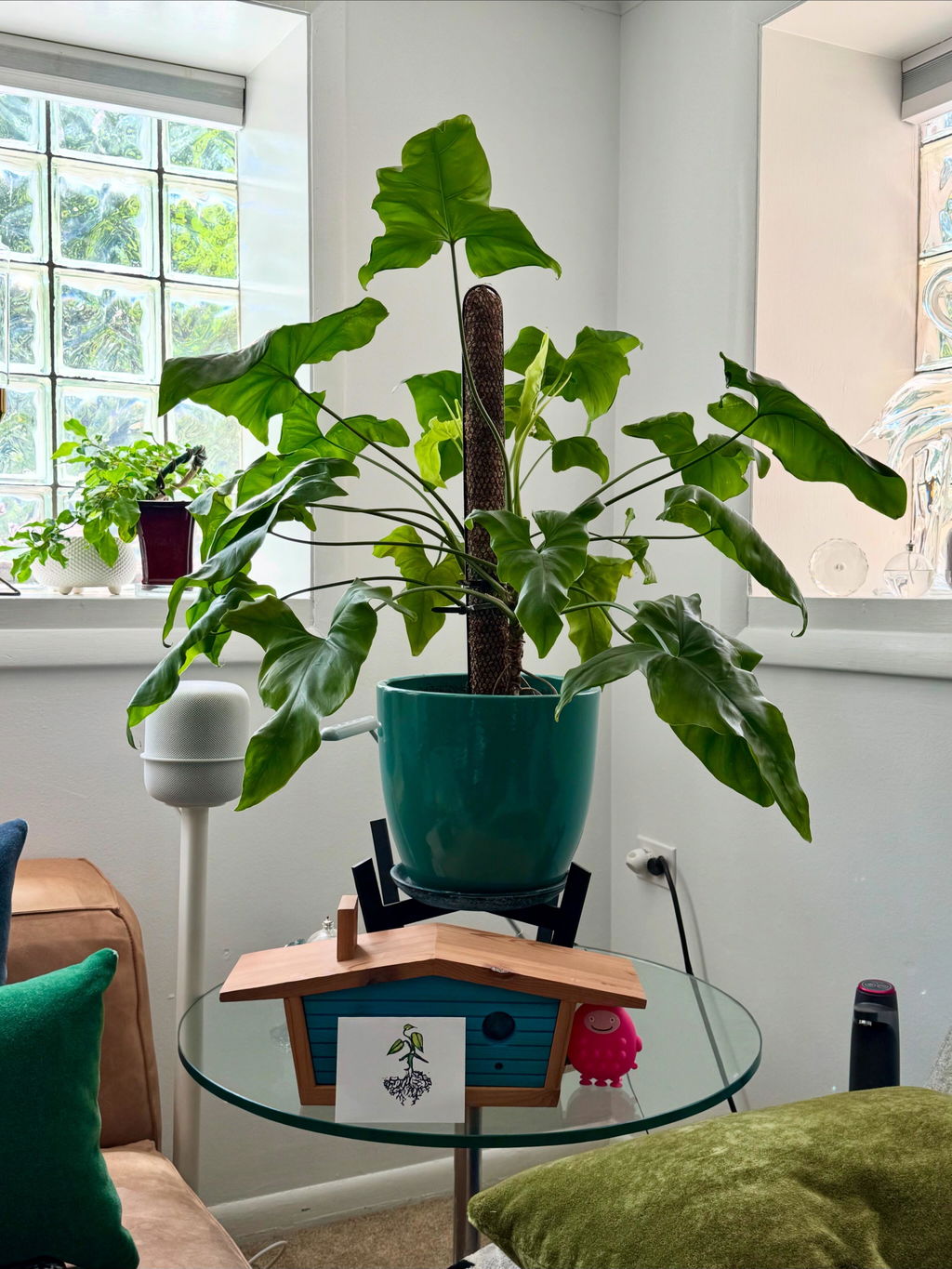
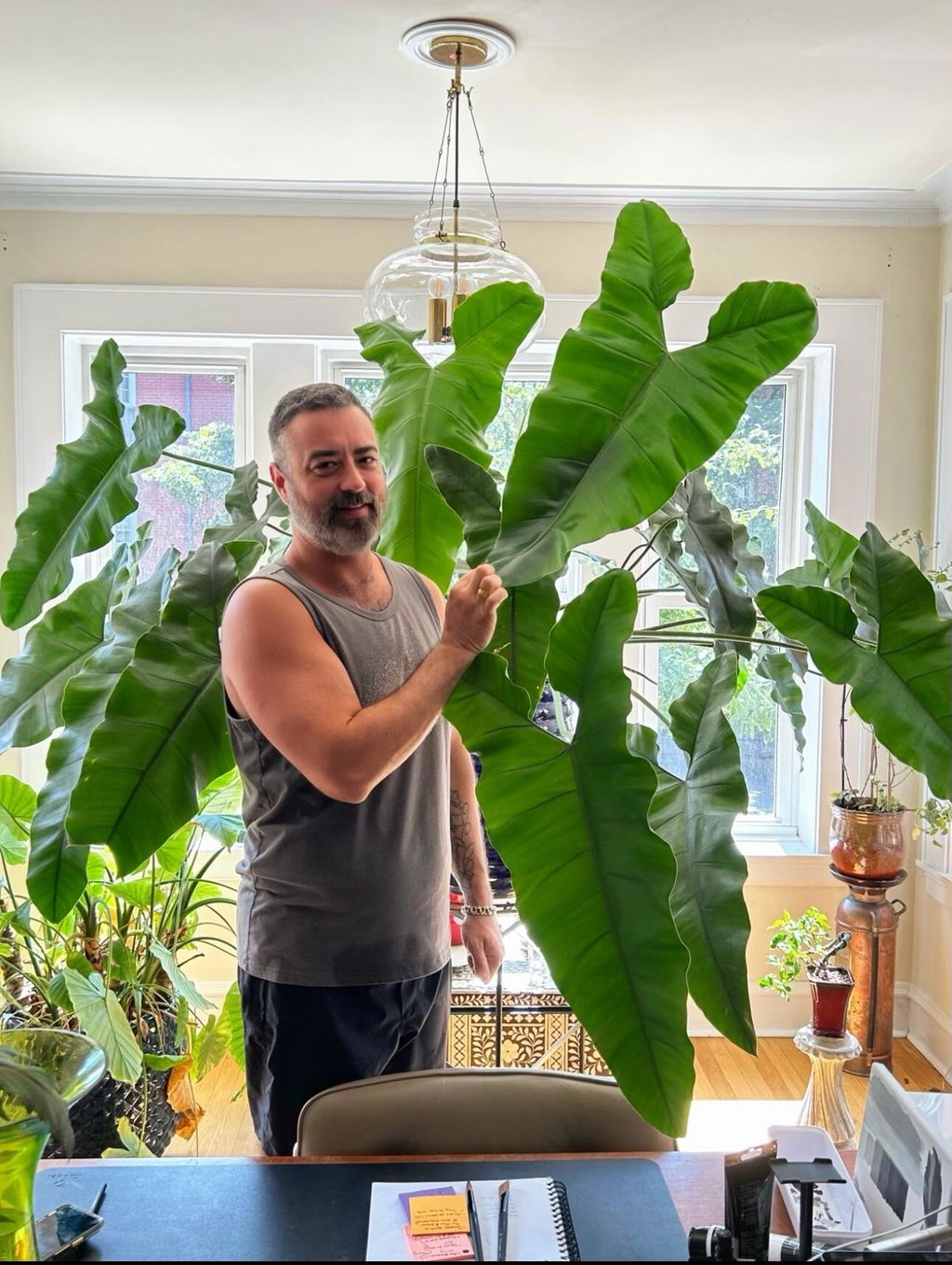
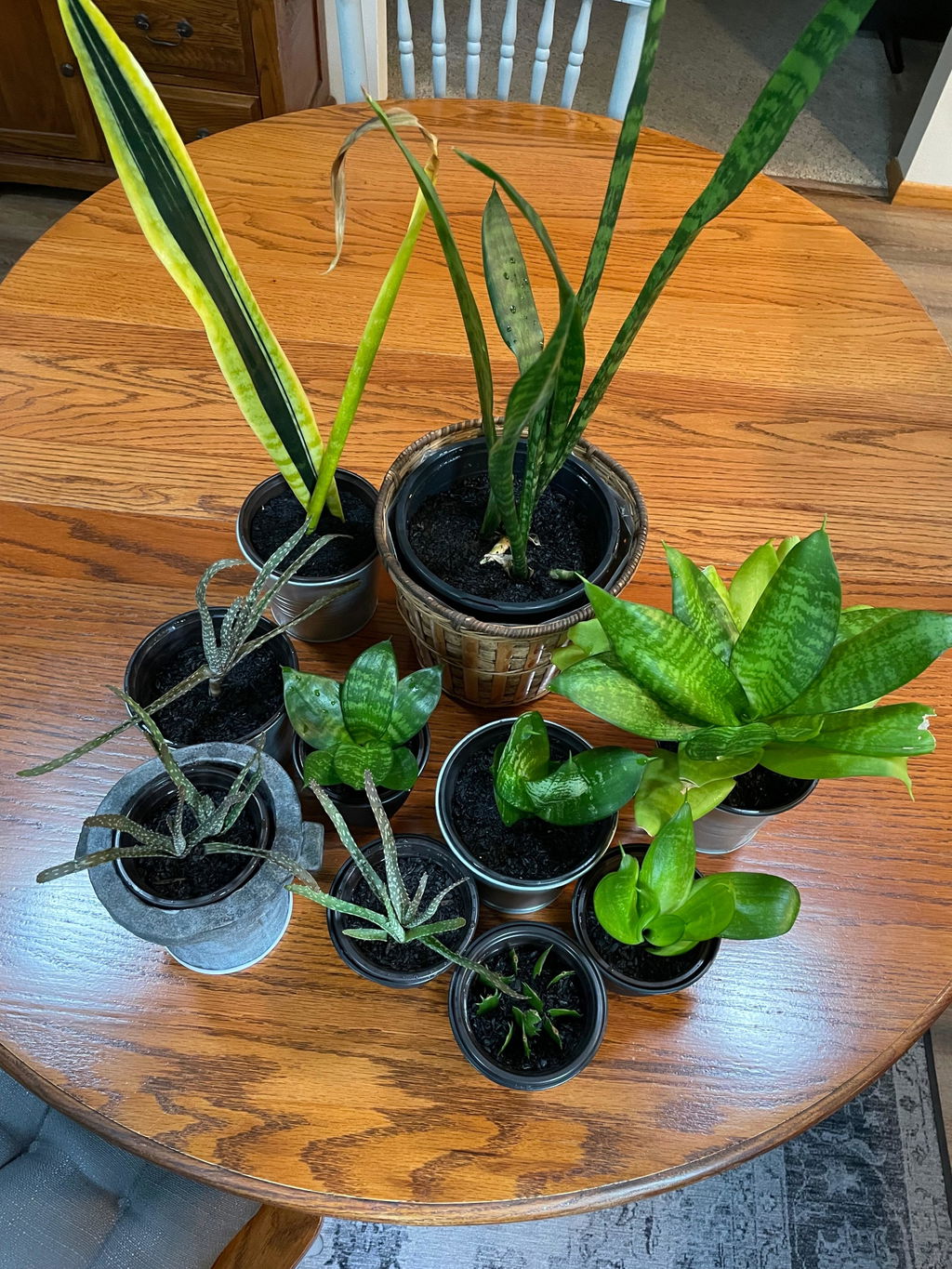
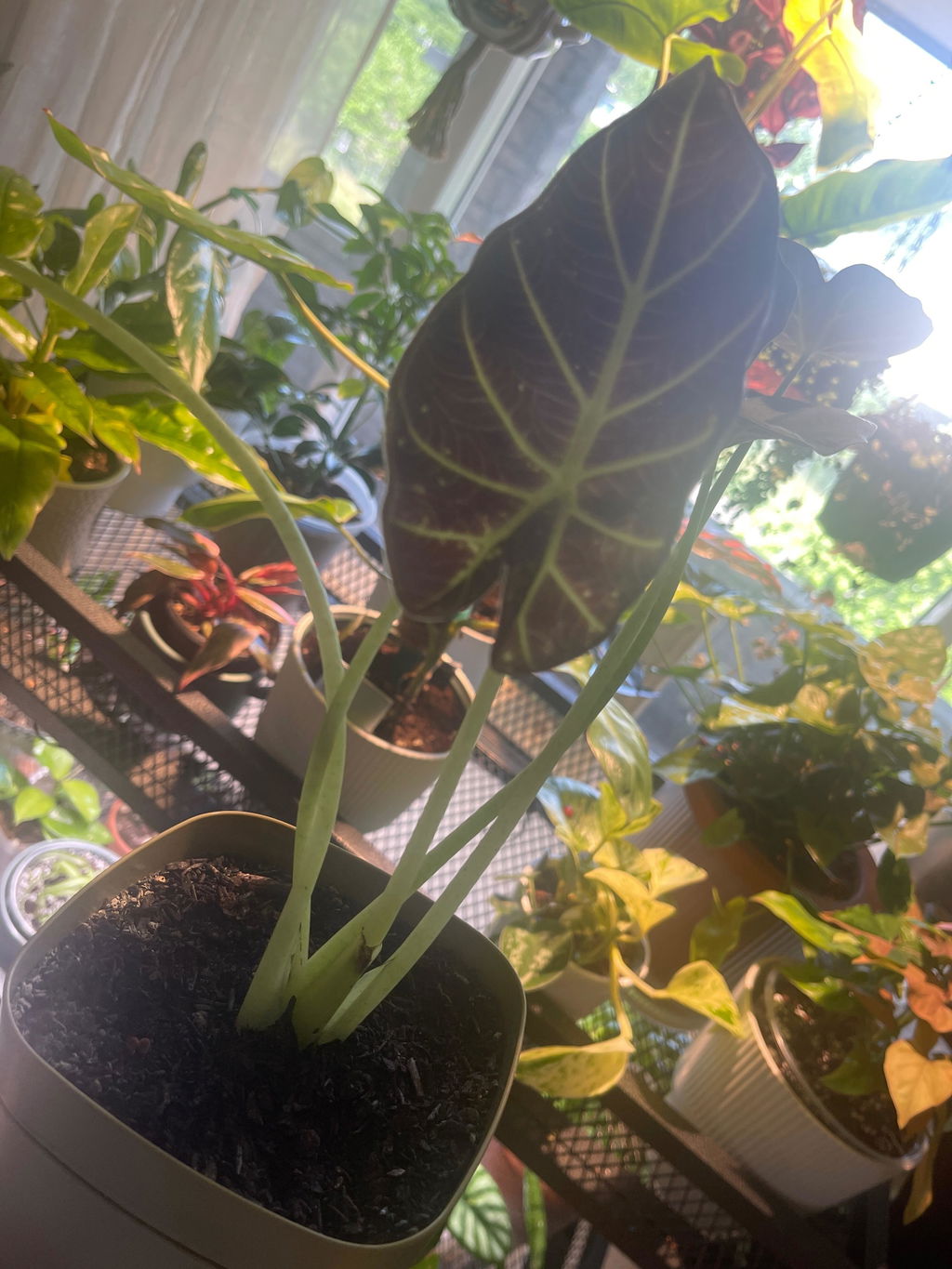
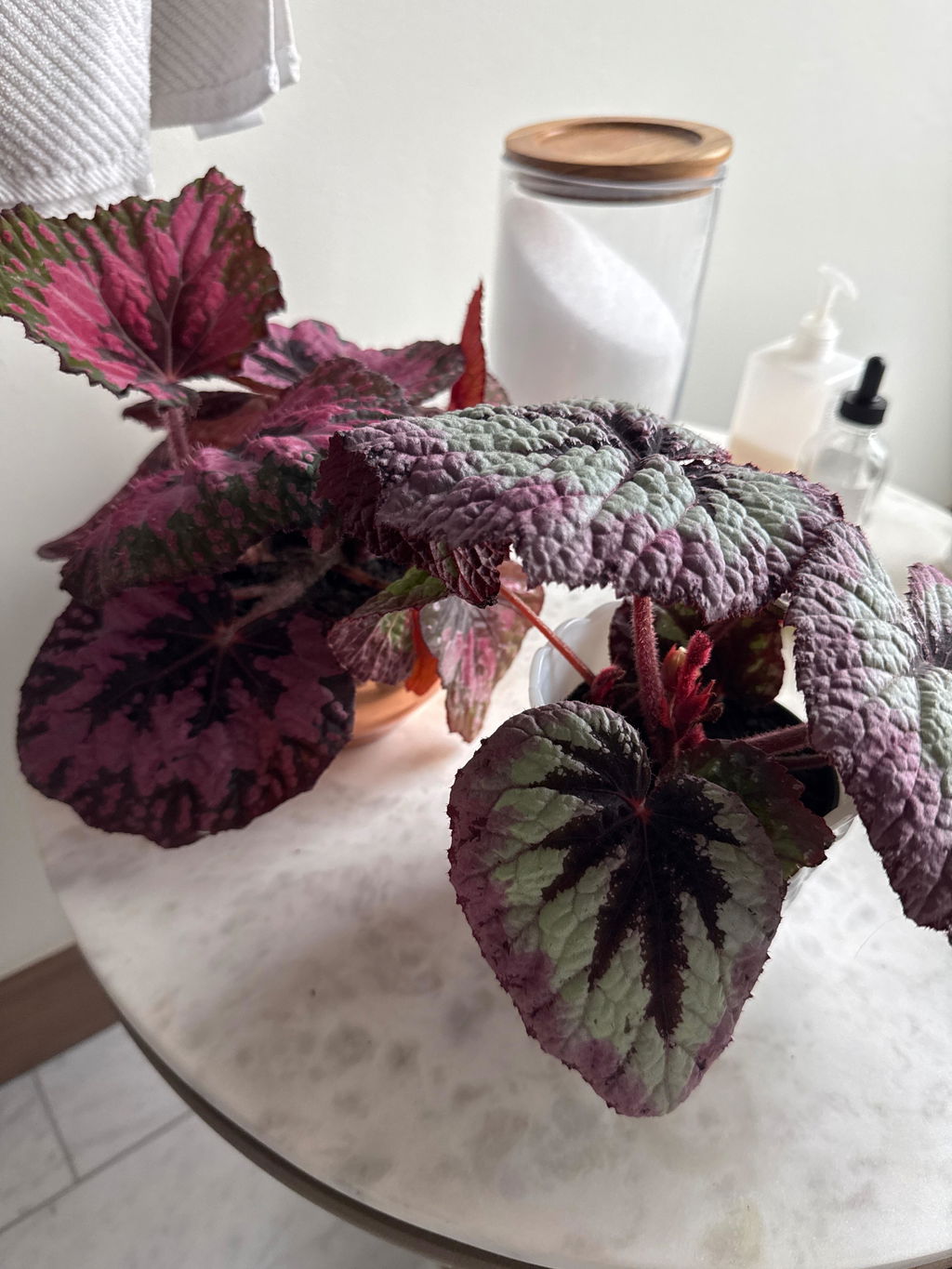
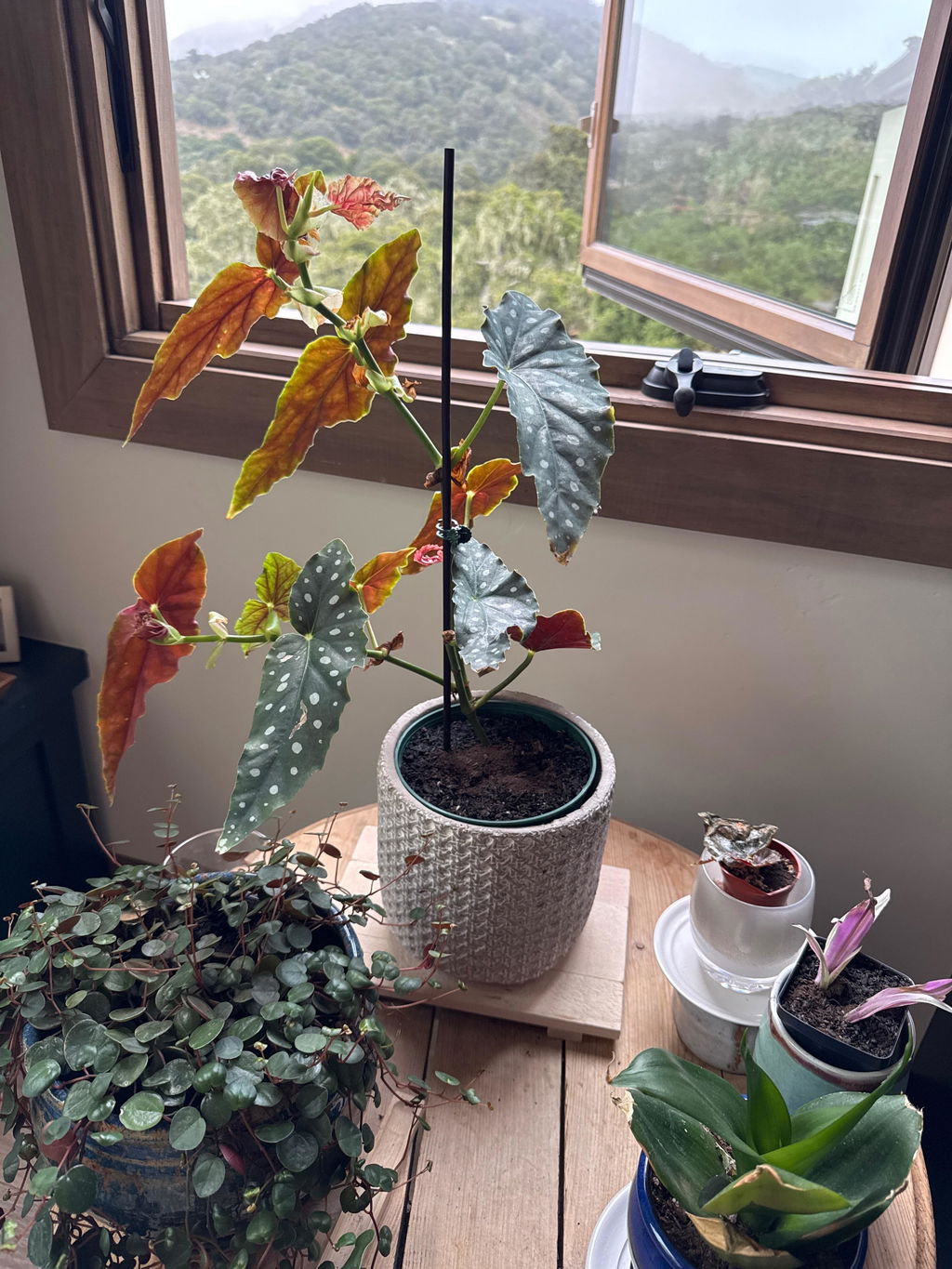
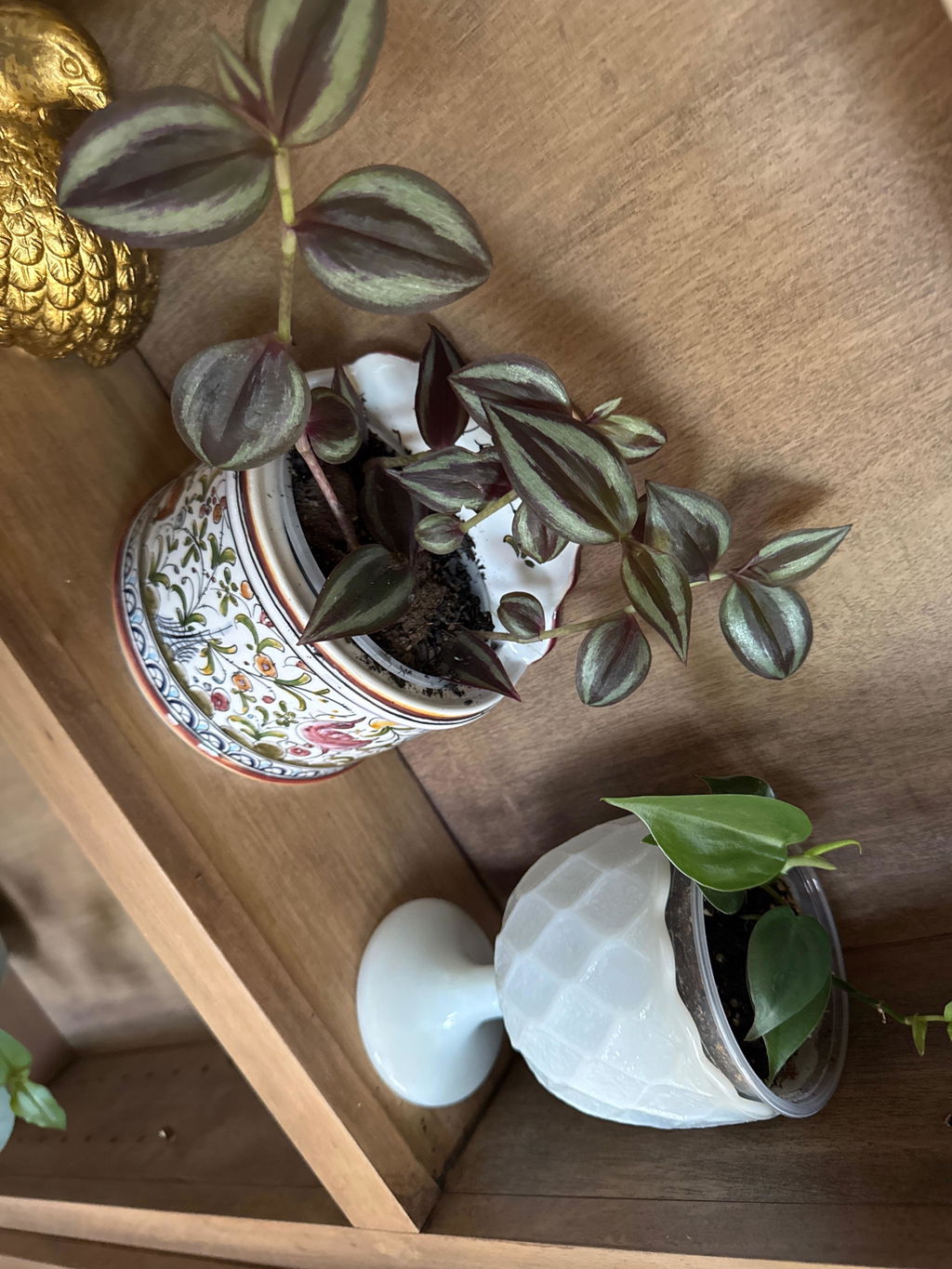
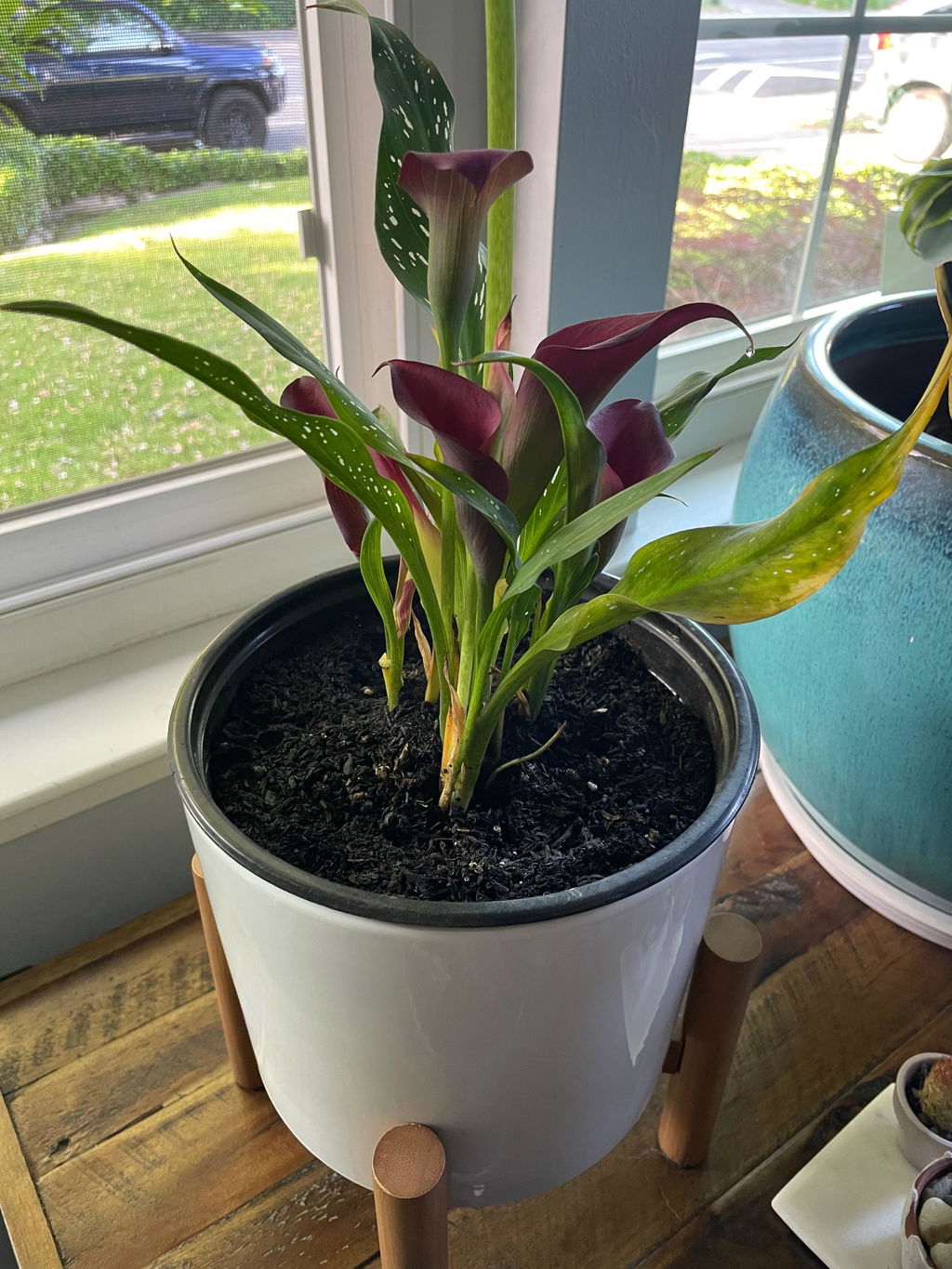
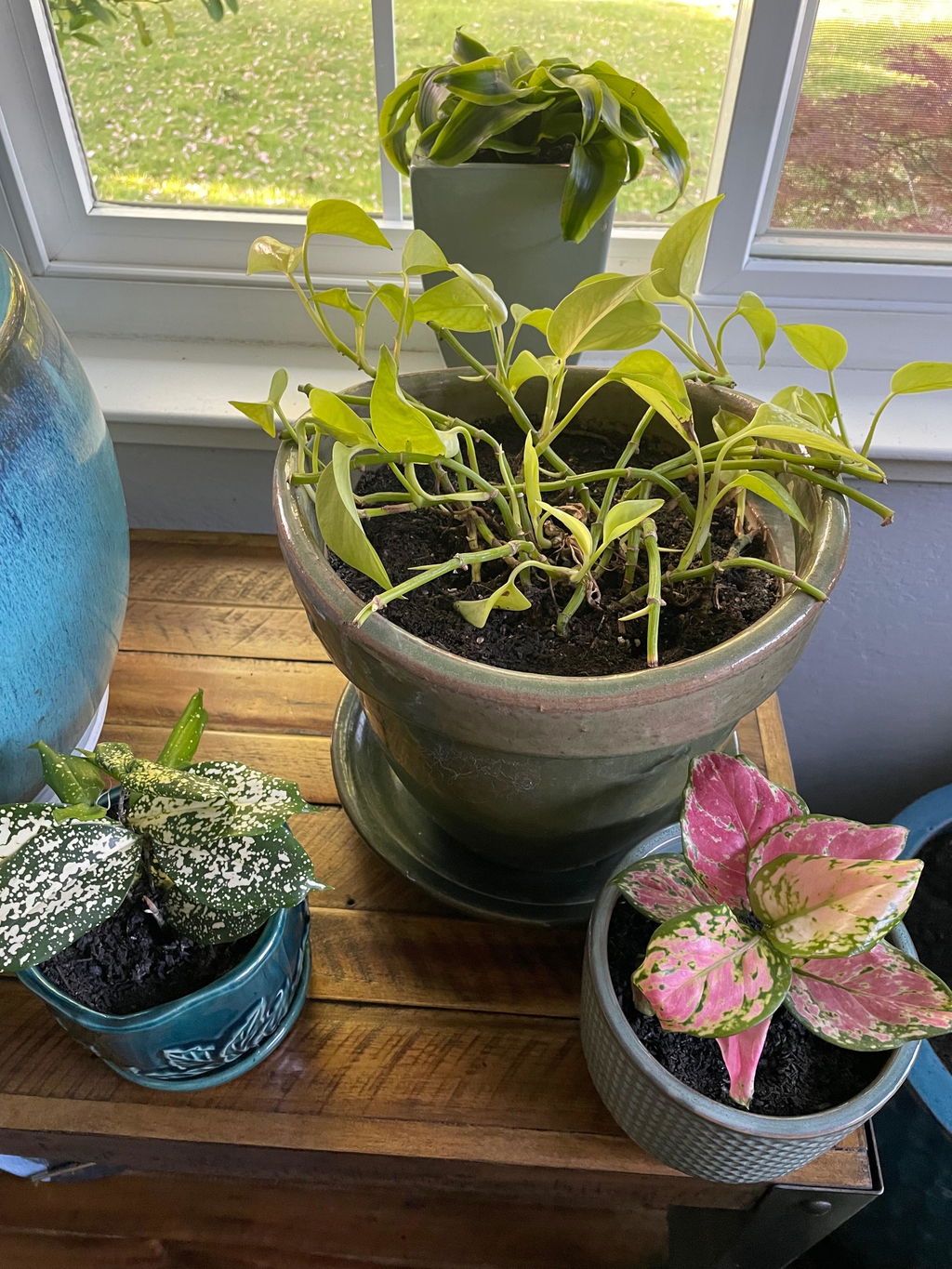
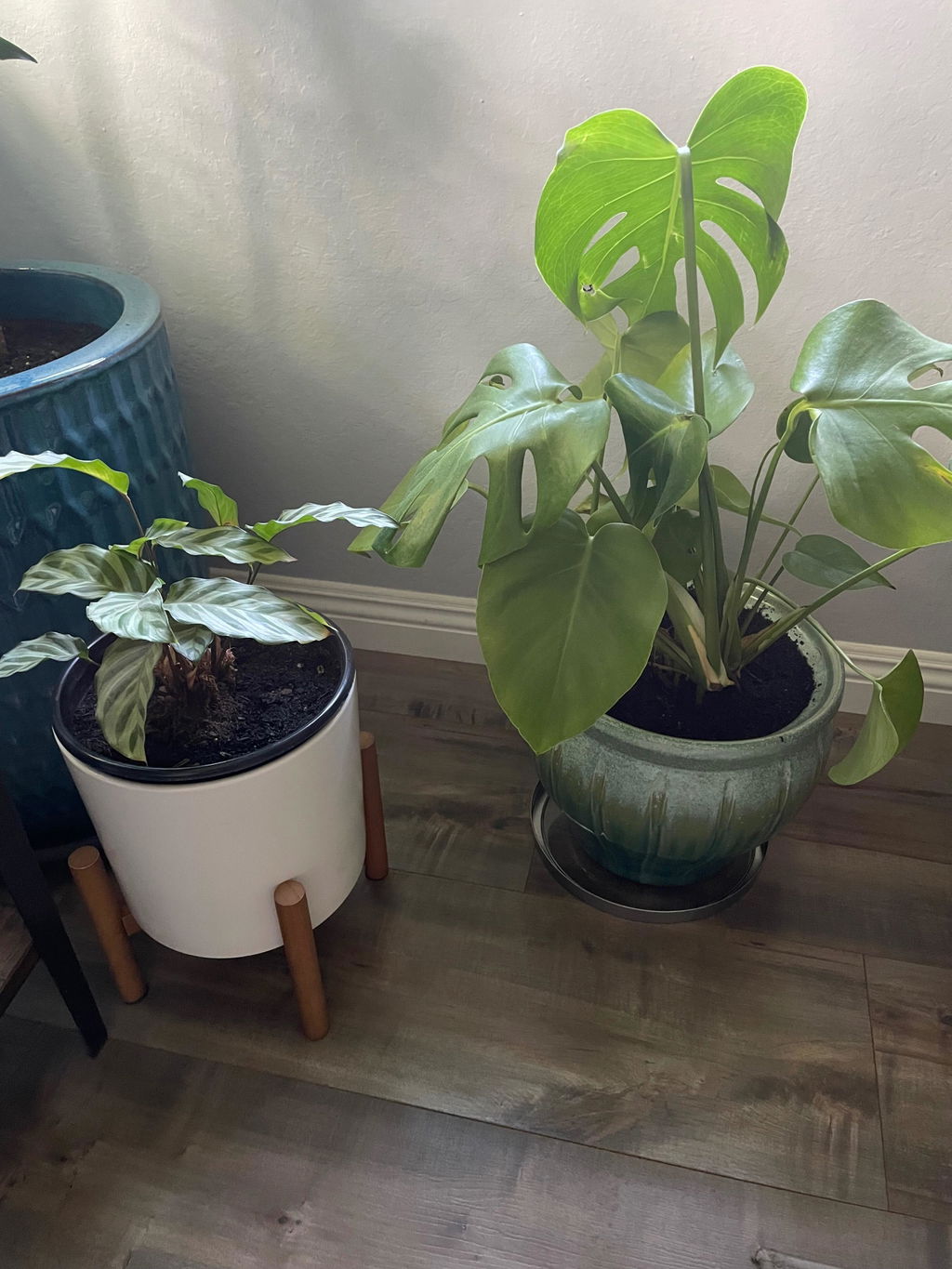
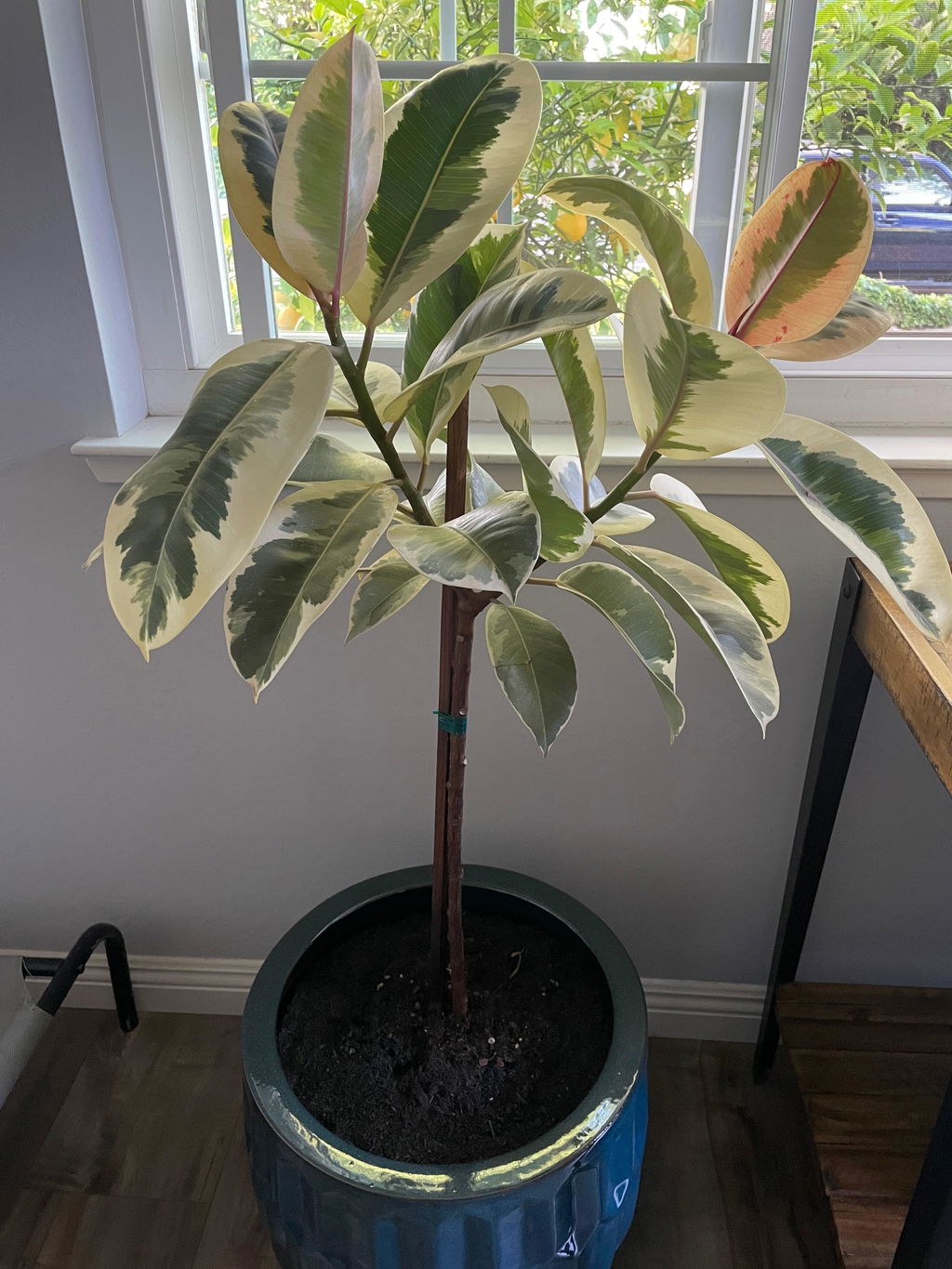
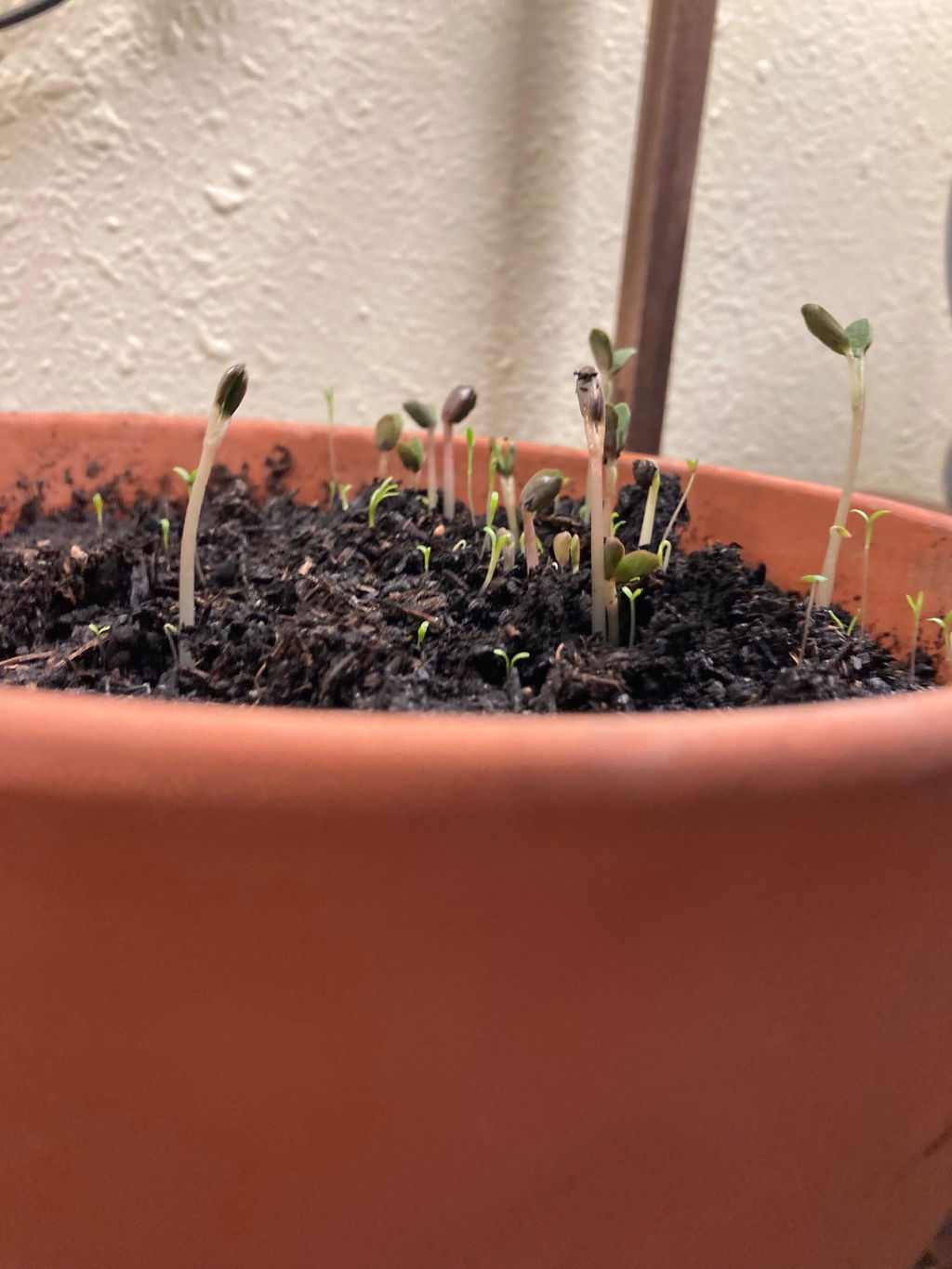
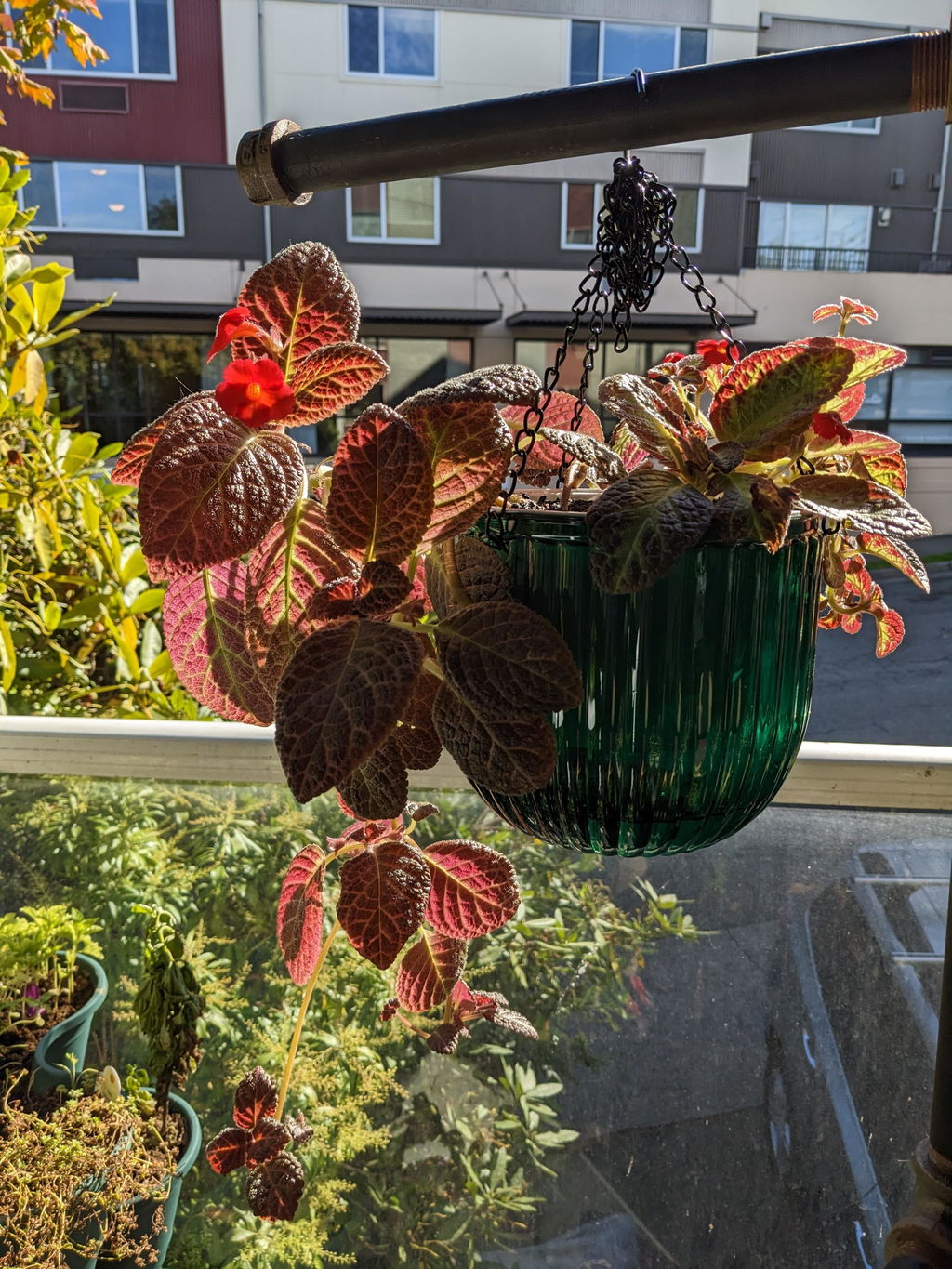
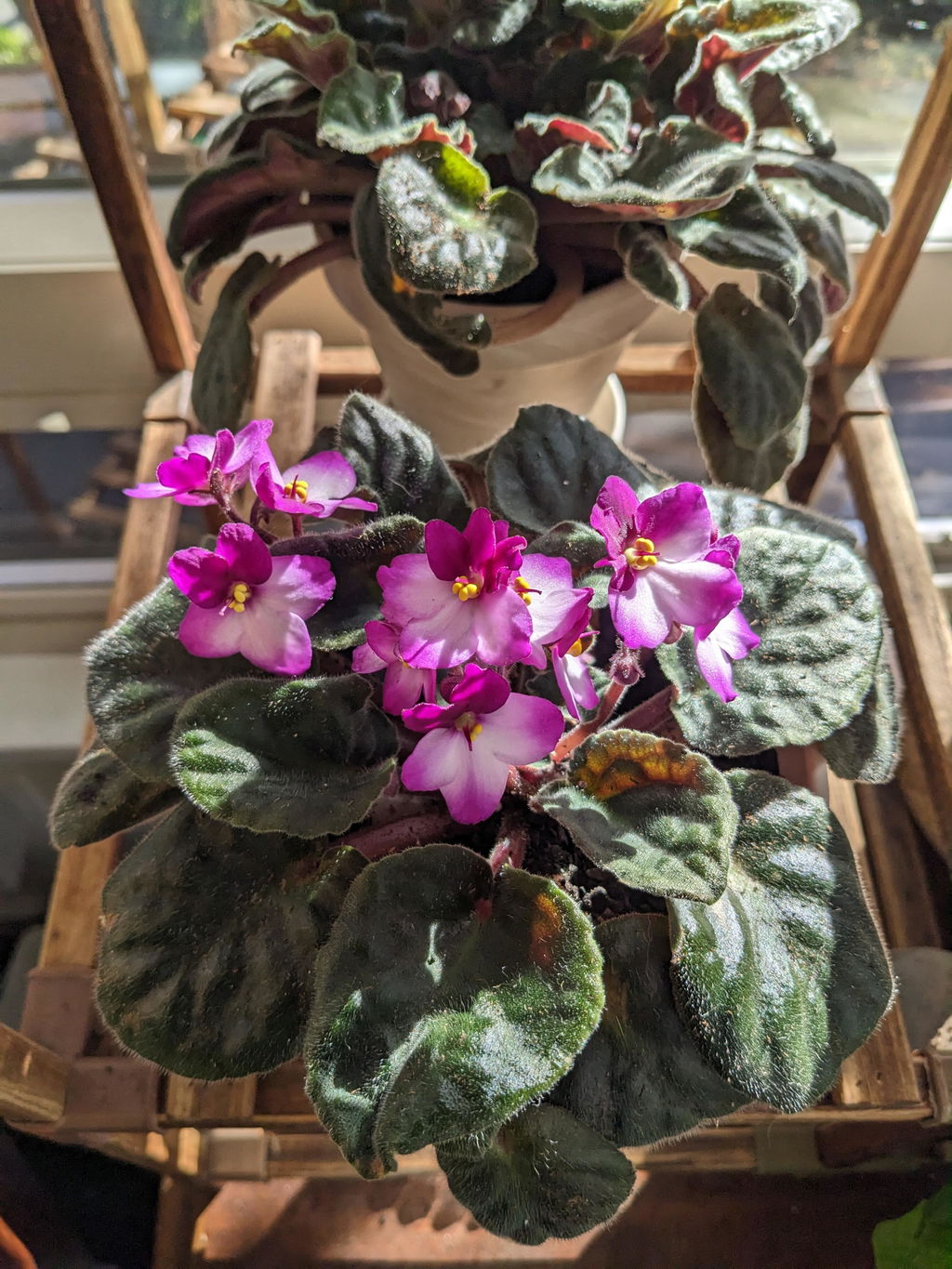
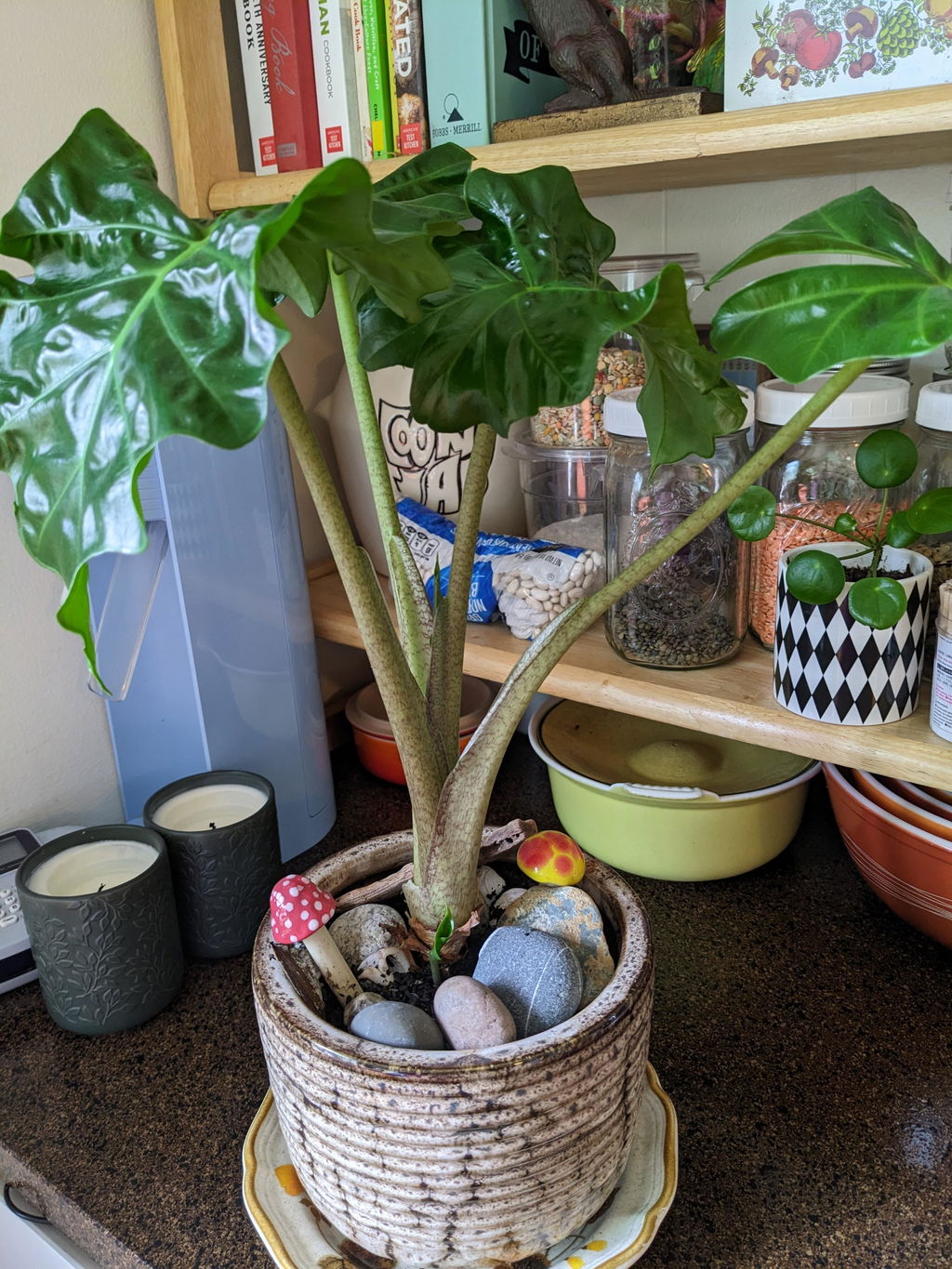
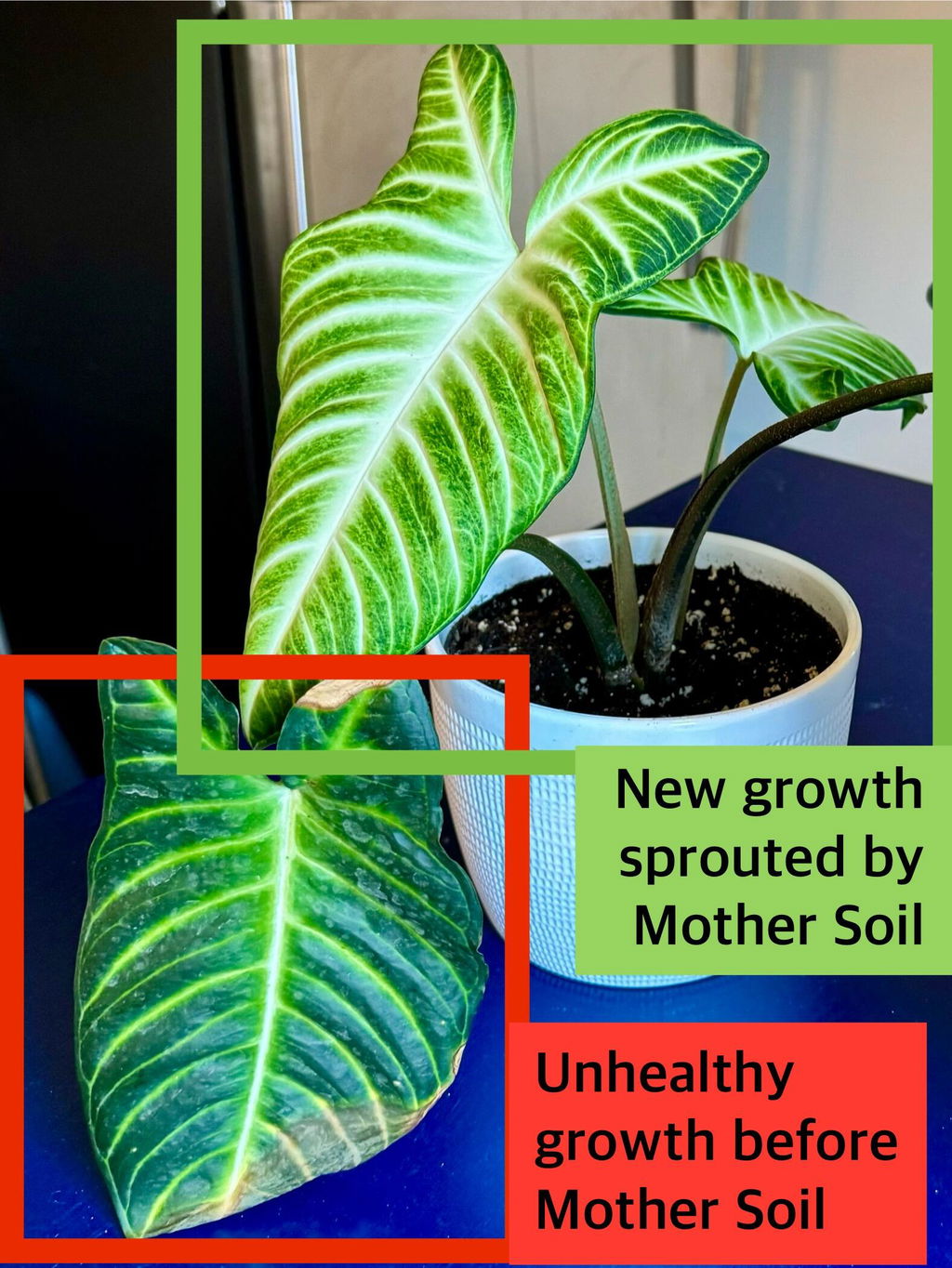
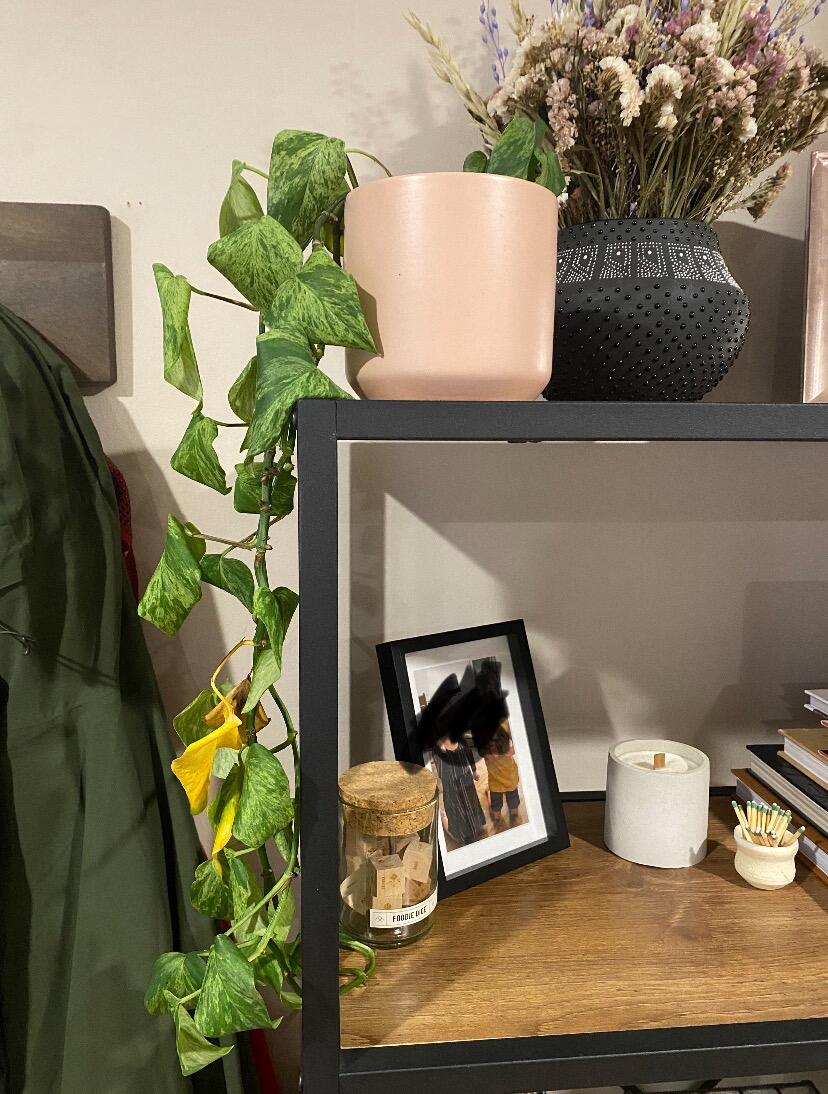
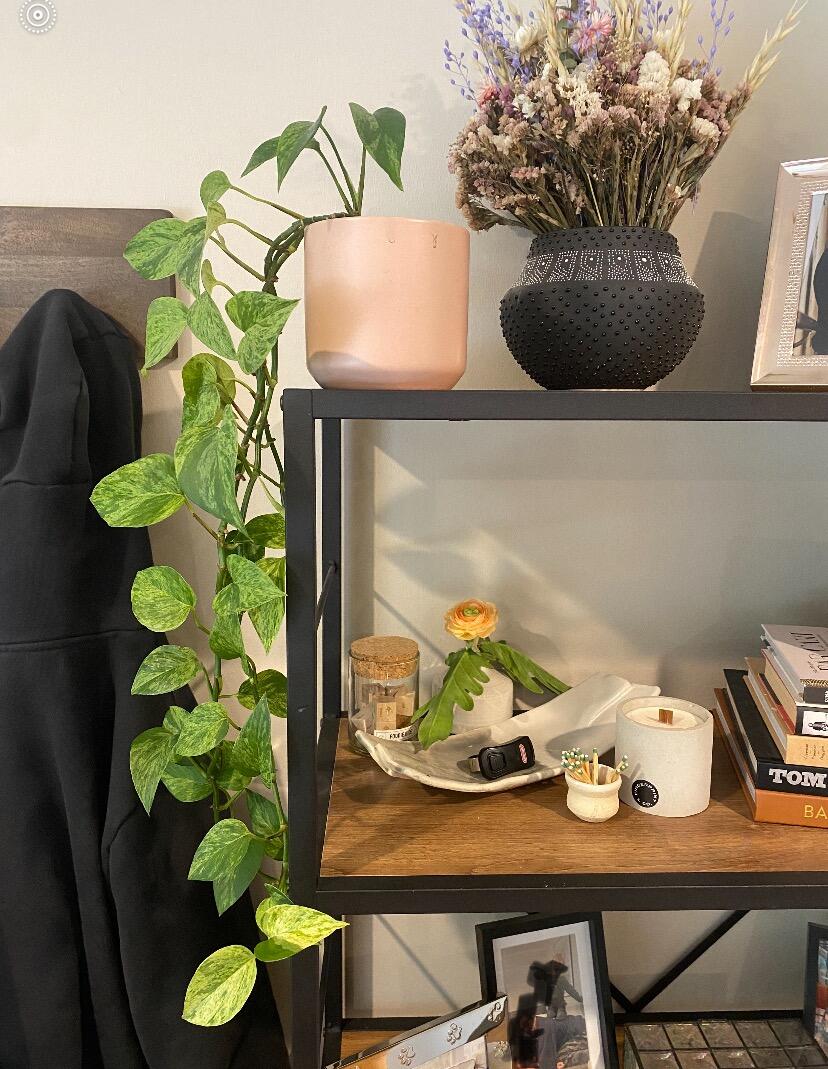
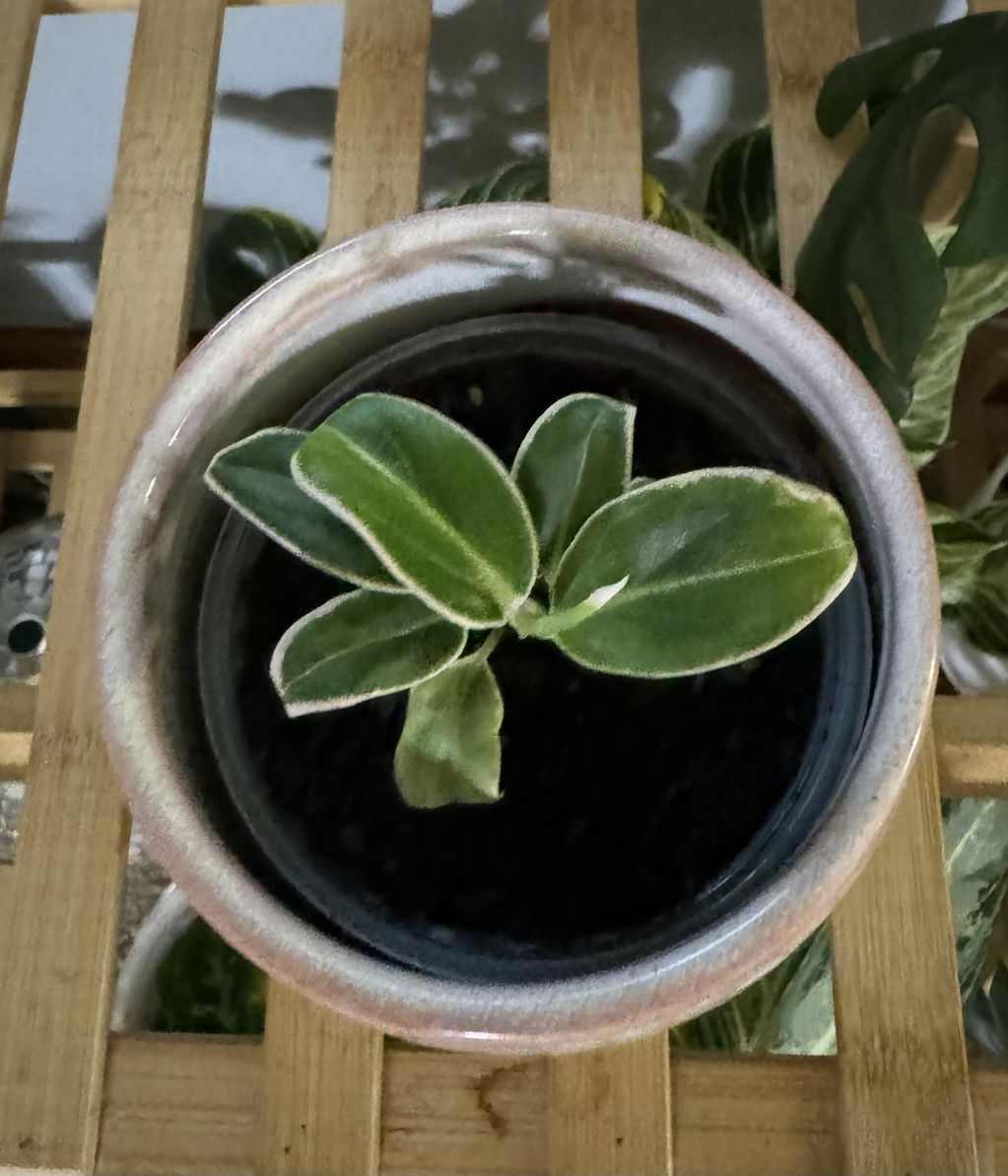
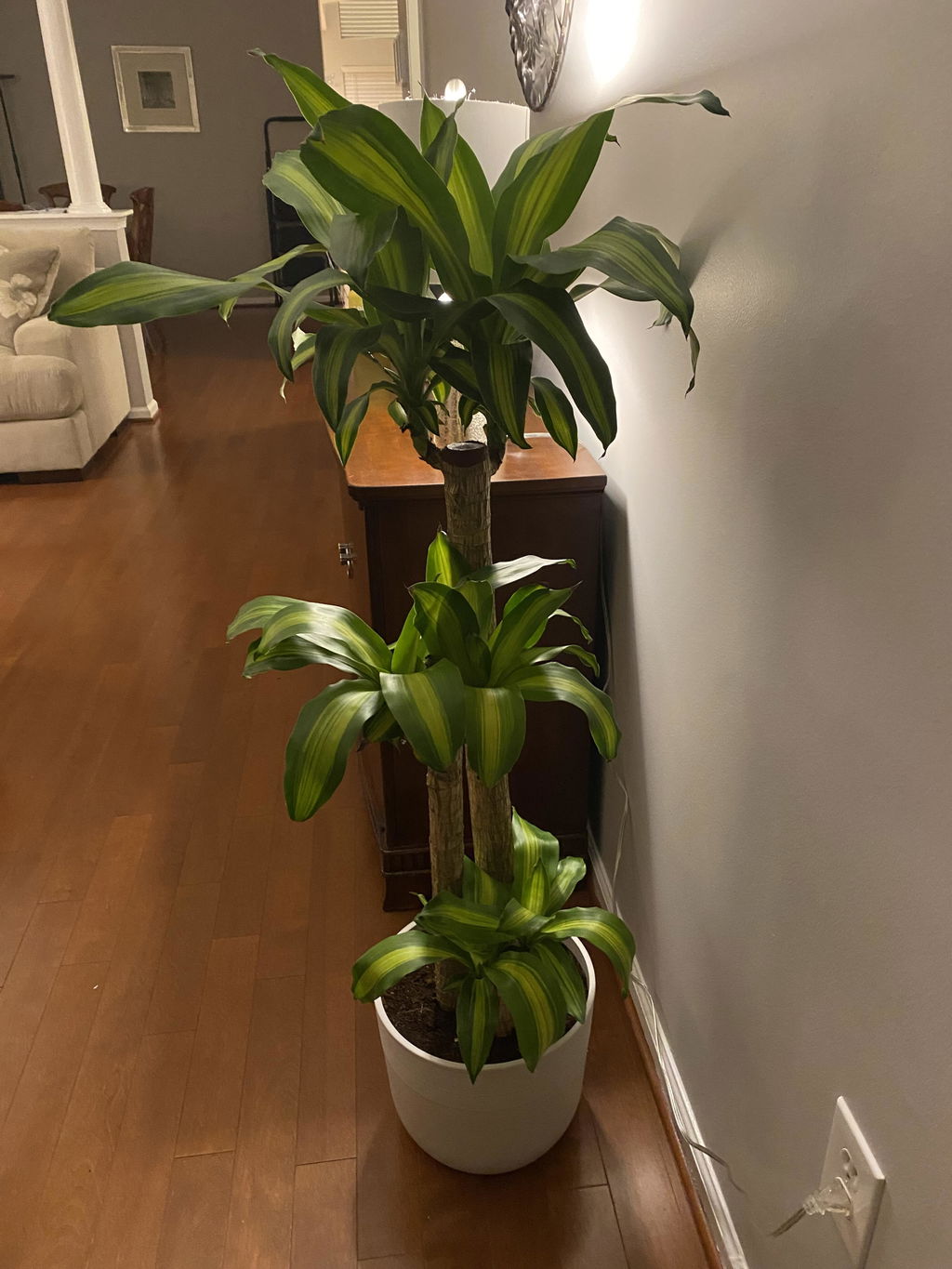
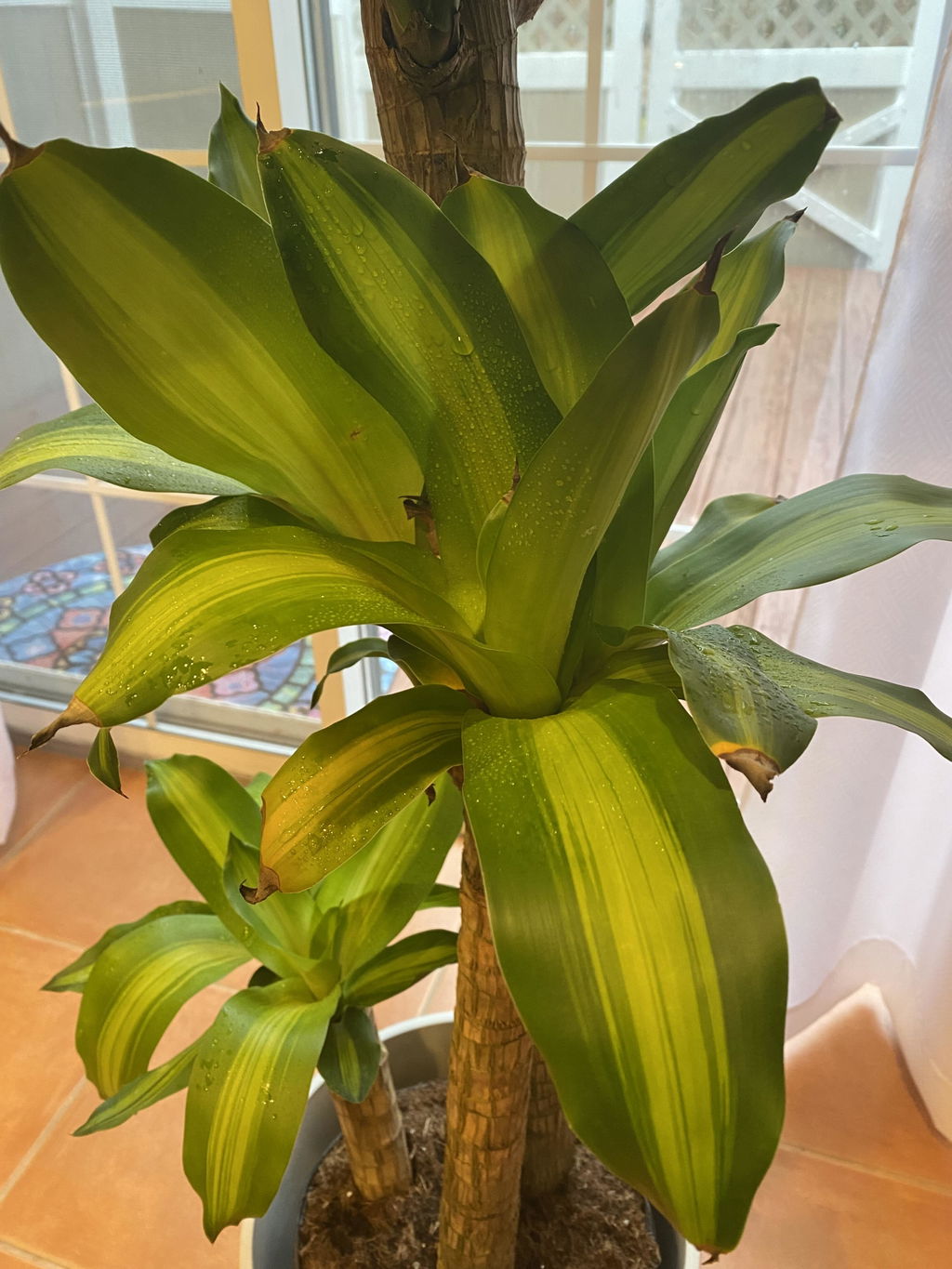
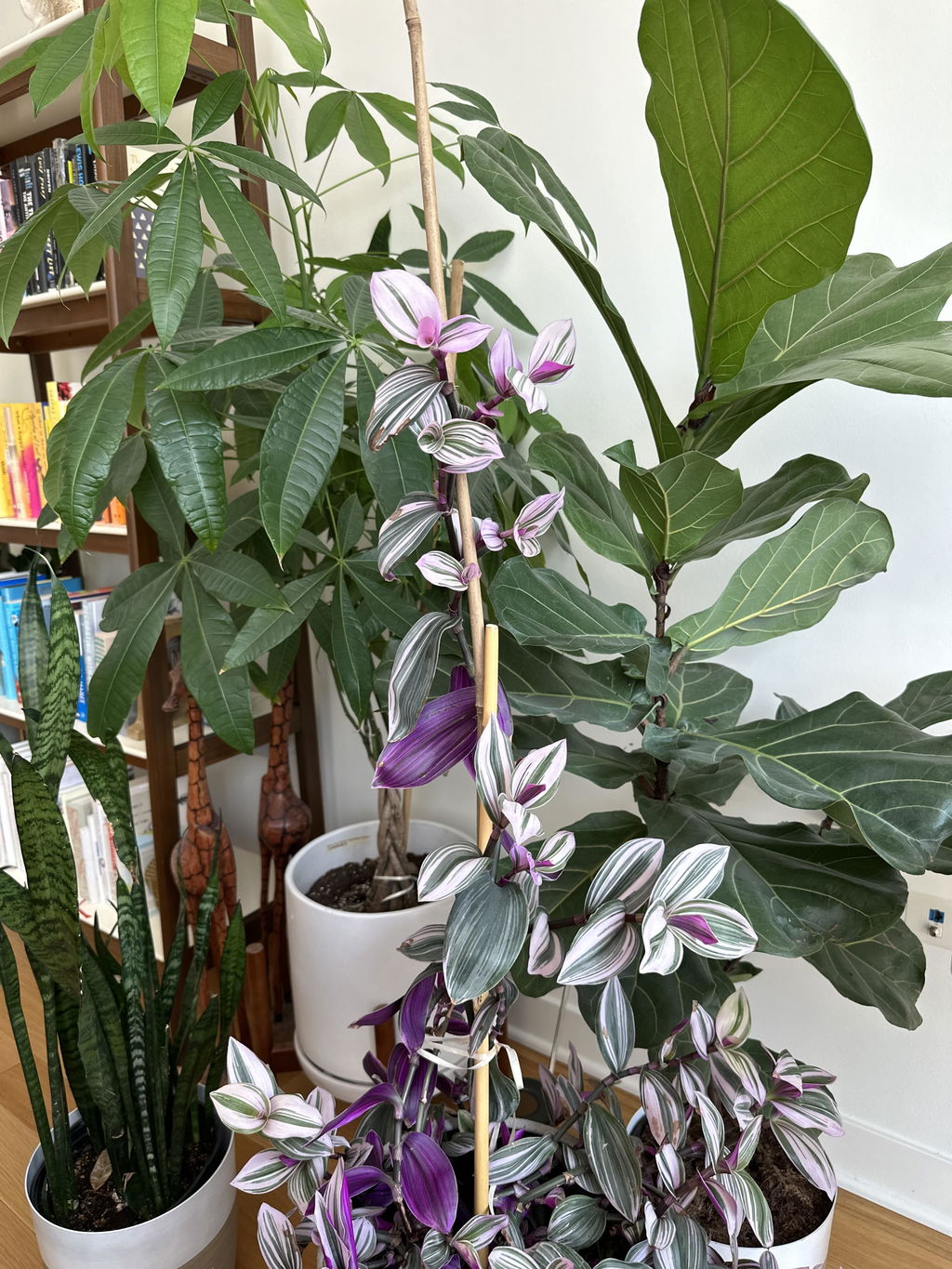
Five plants. Side-by-sides and ninety-day spans. No fertilizer added, no light changed — just Mother.
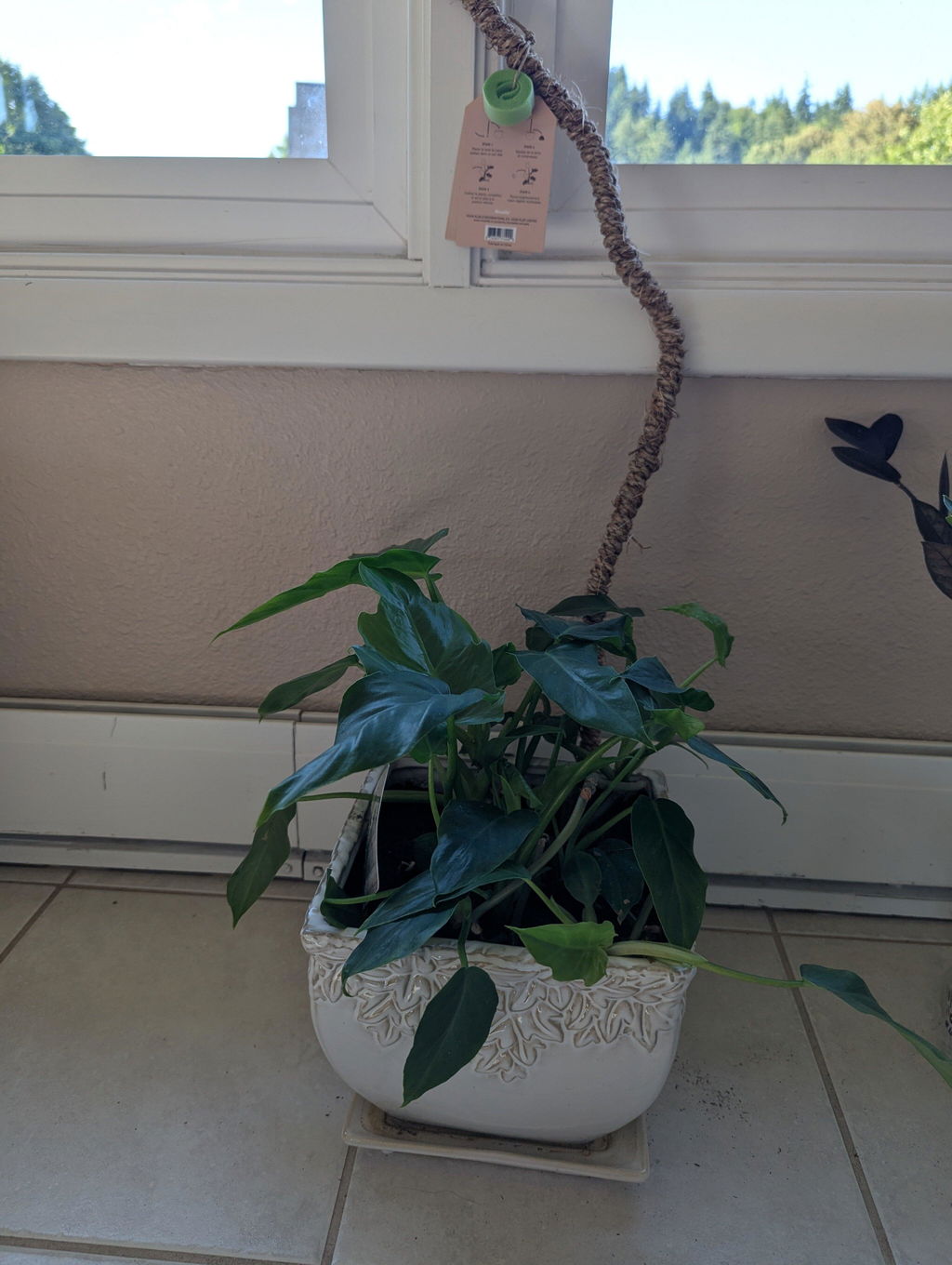
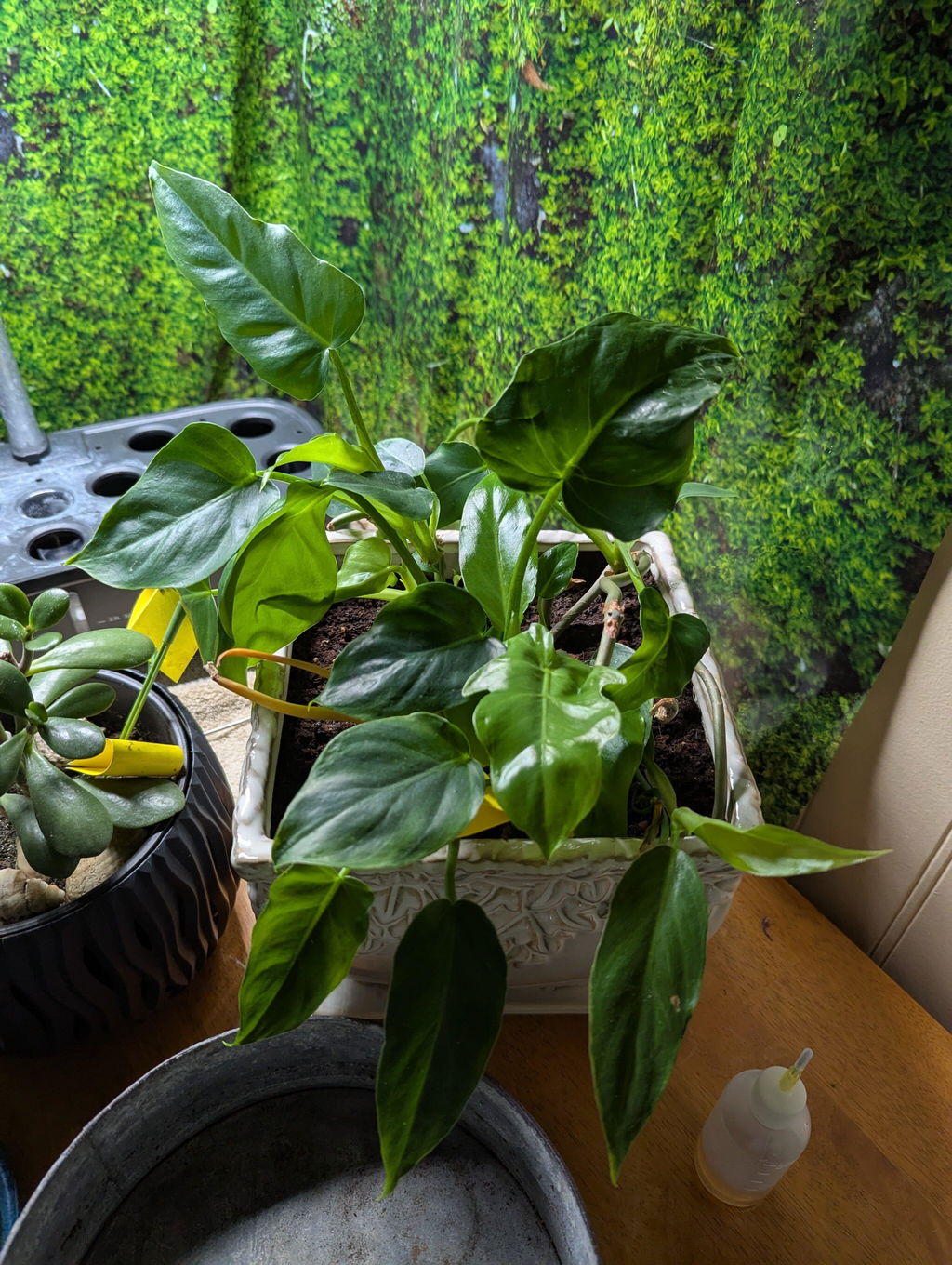
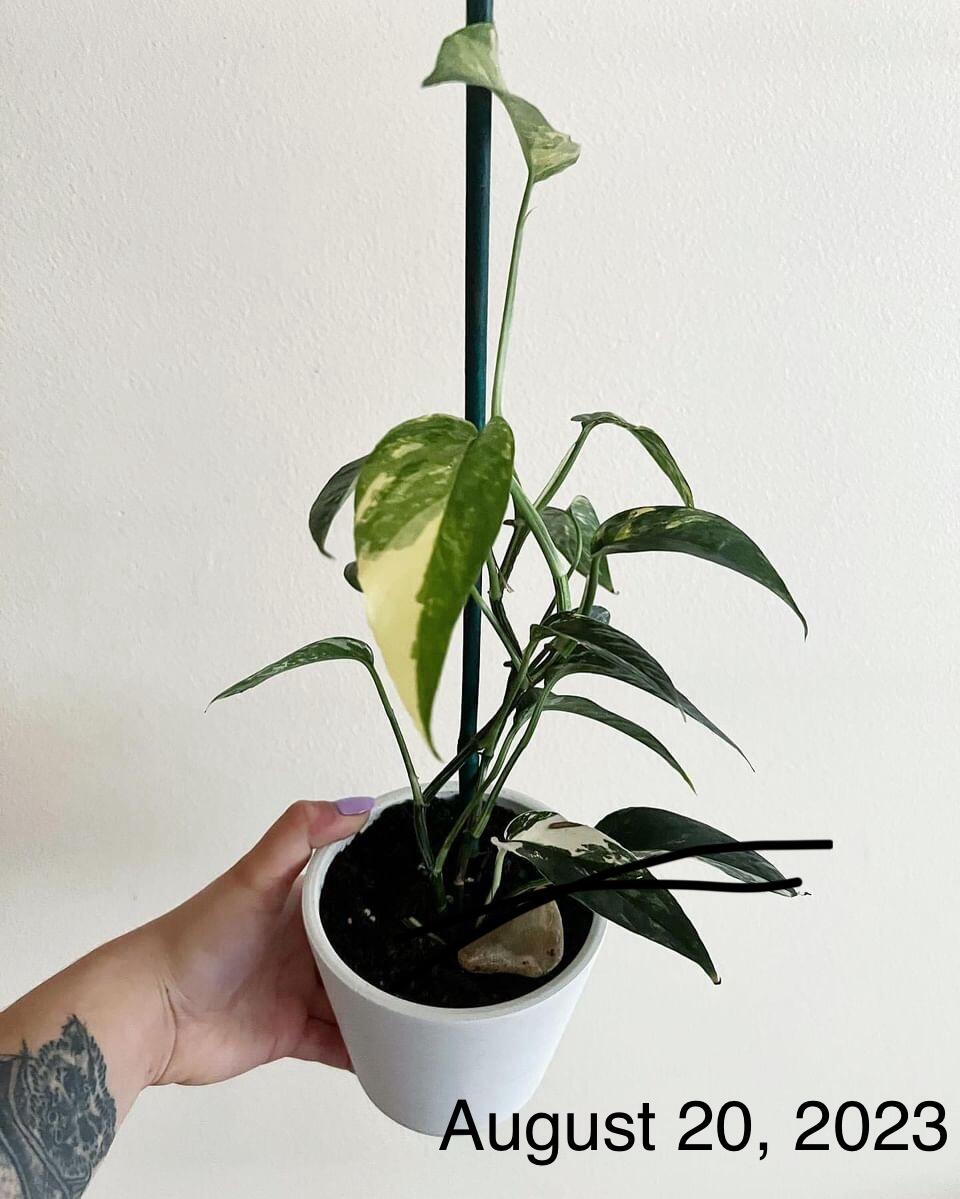
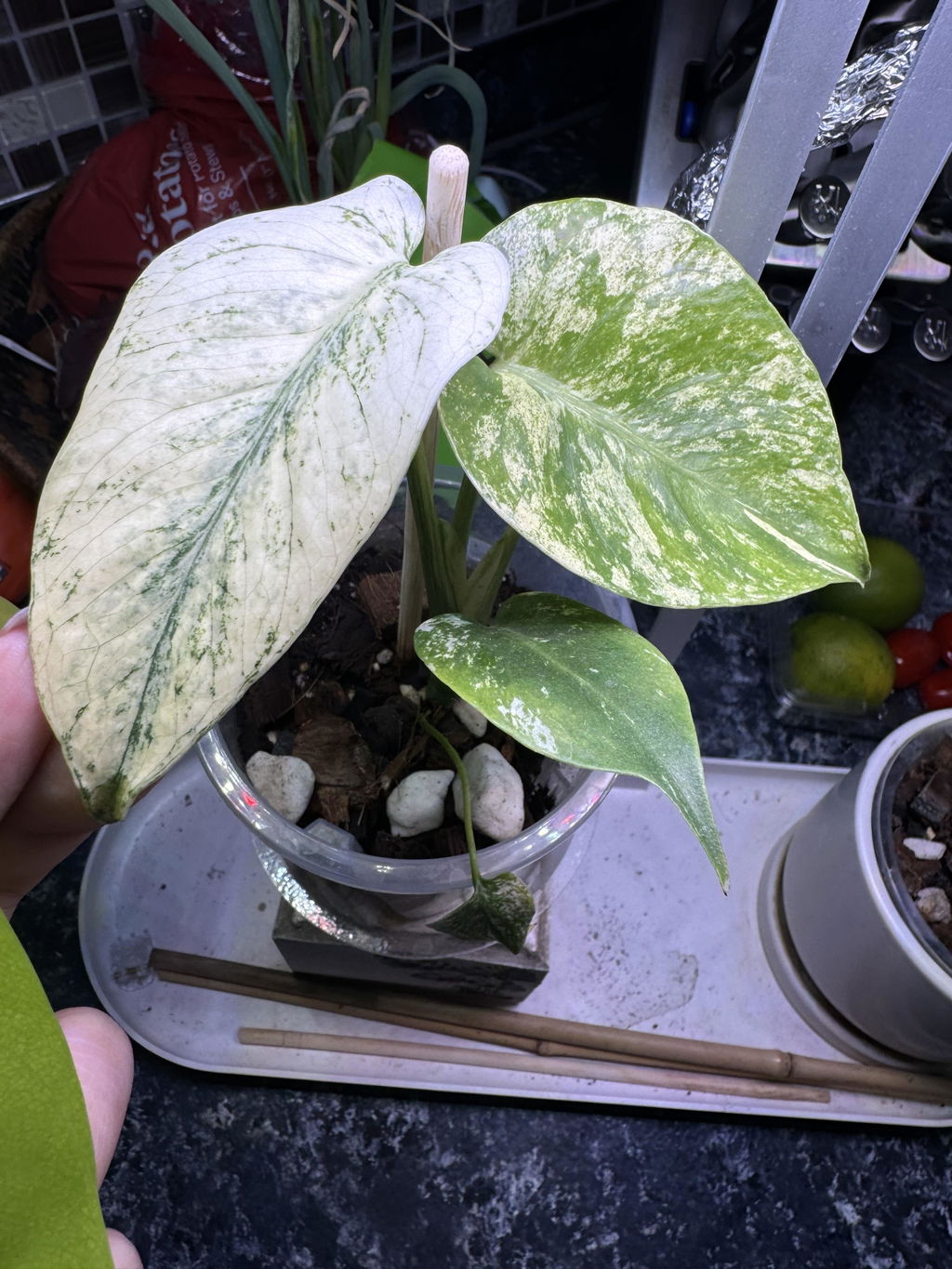
"All cuttings taken at the same time from the same mother plant. Rooted in moss, then transferred to soil. Only the plant on the right is in Mother — the other is in a premium aroid mix."


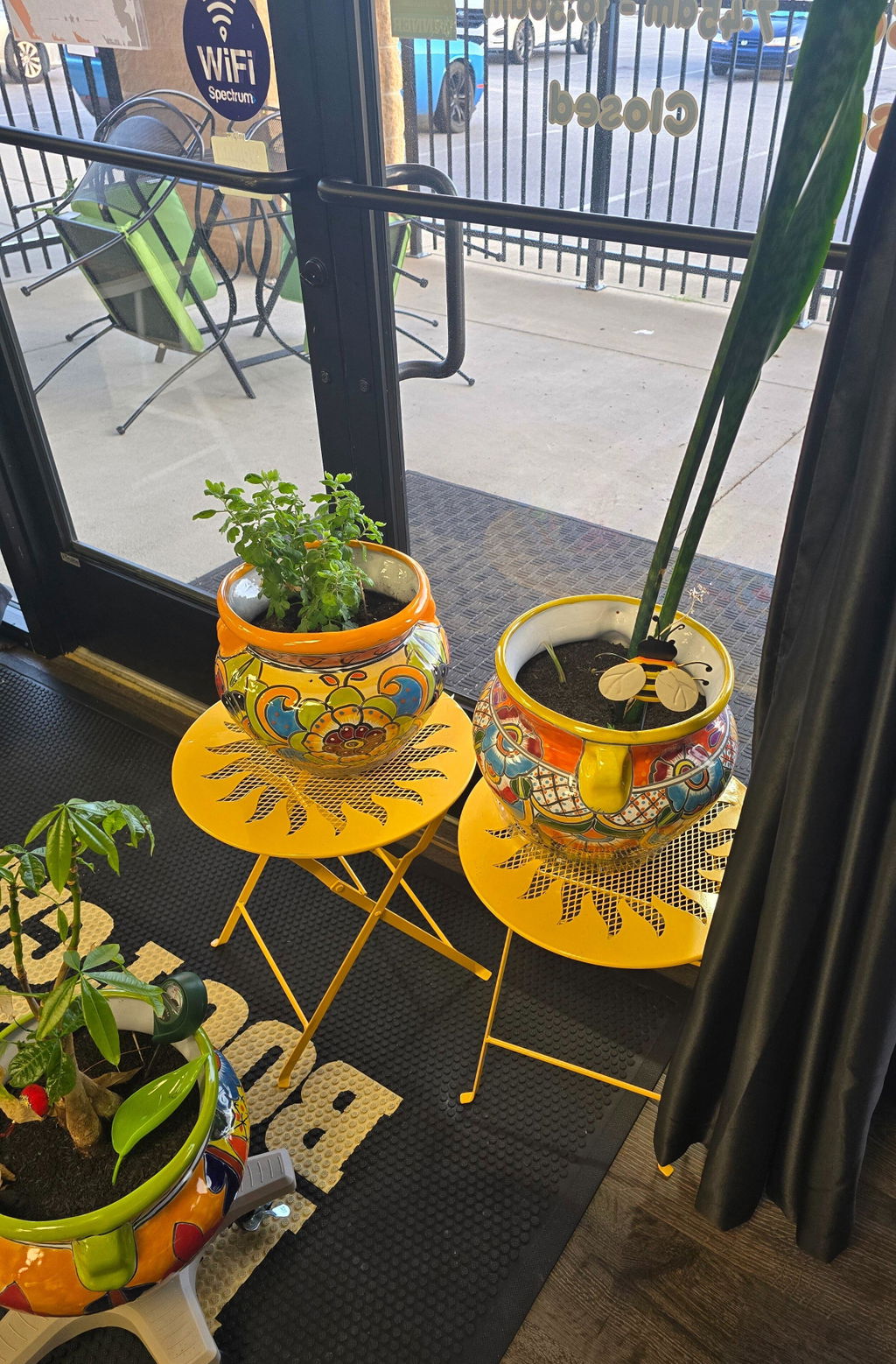
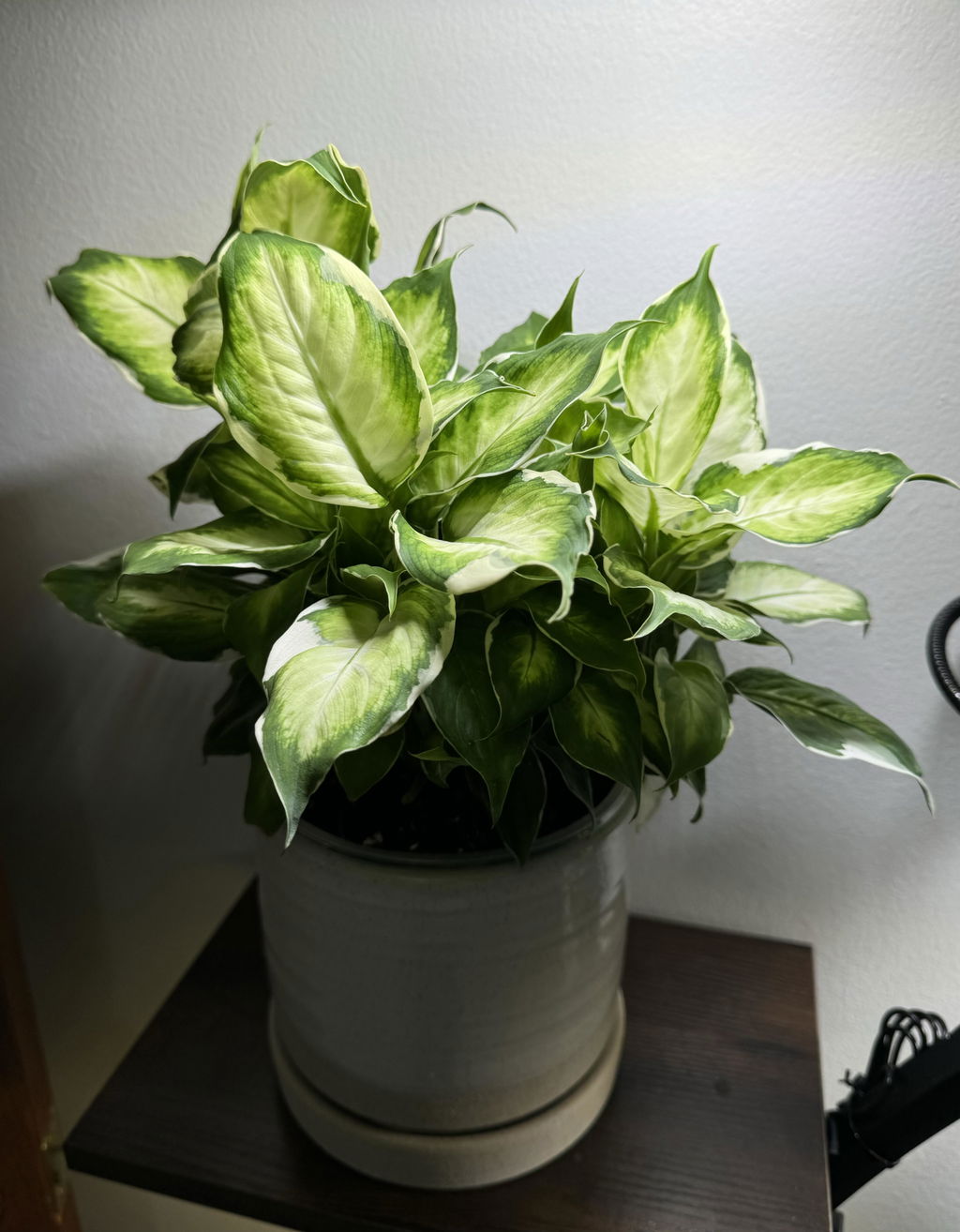
"I was leaving for a month and decided to put one of my peace lilies in Mother and the other in a regular mix. Same care, same window. This is what I came back to."


"I unpotted both bunny-ear cacti at the one-year mark. Same species, same window, same watering schedule — one in a standard succulent mix, one in Mother. The roots tell you everything you need to know."


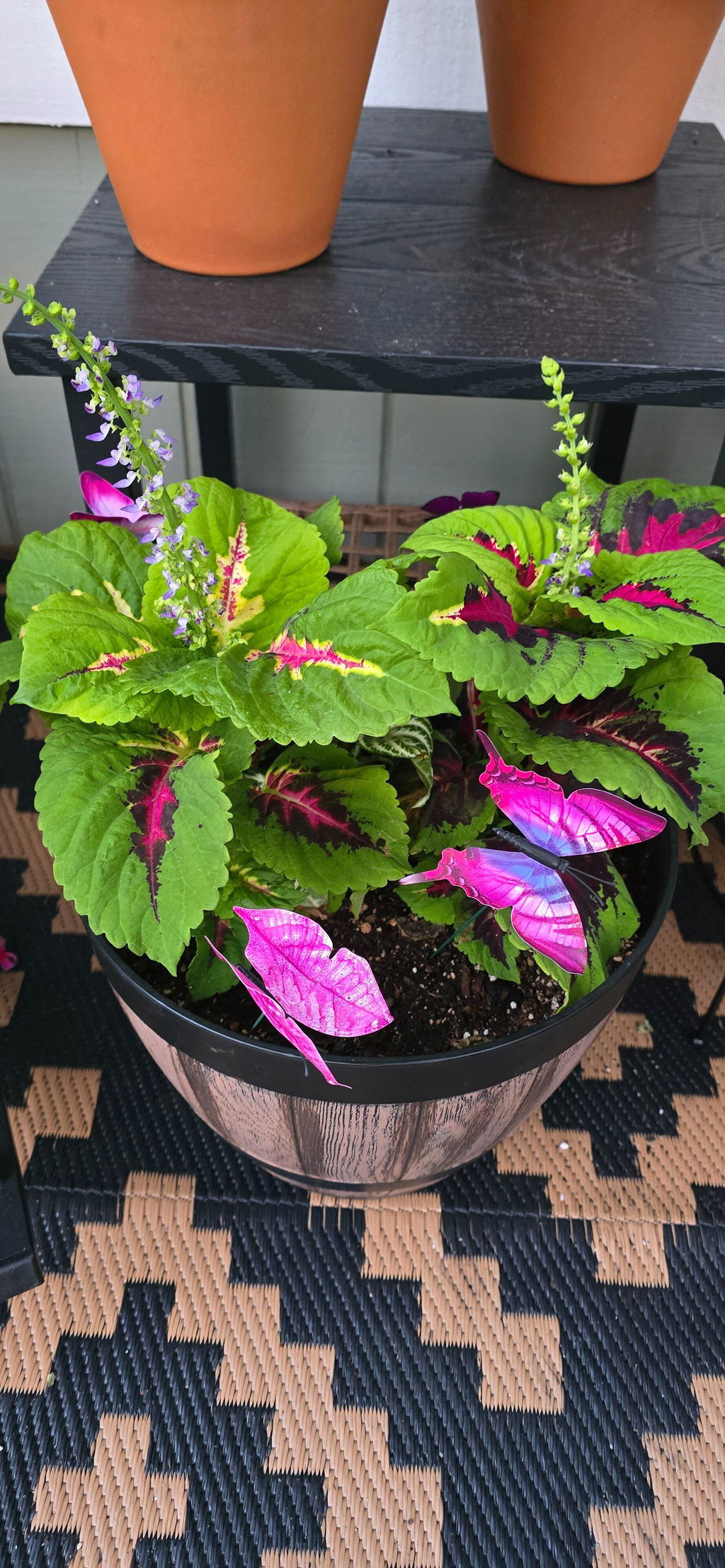
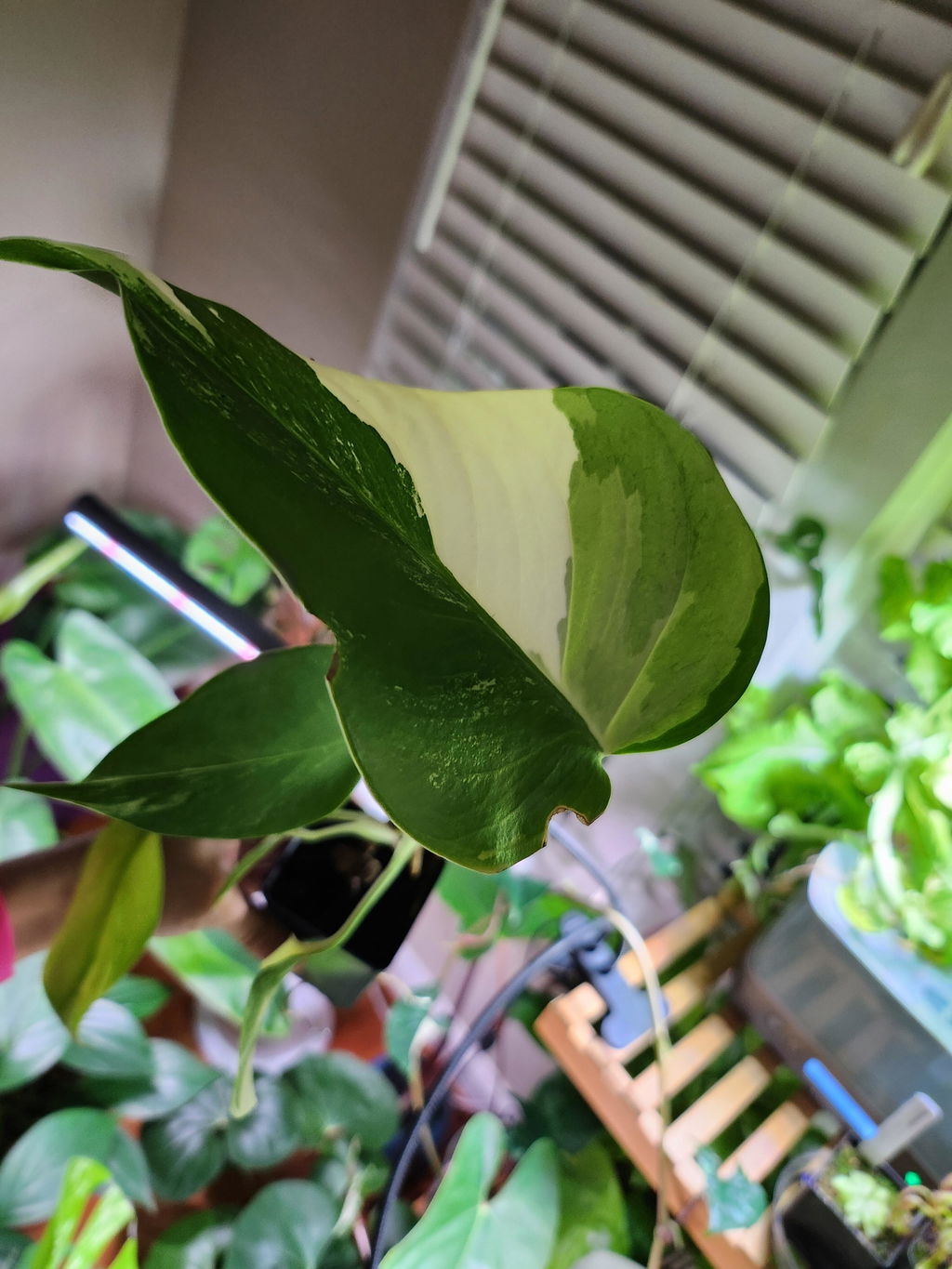
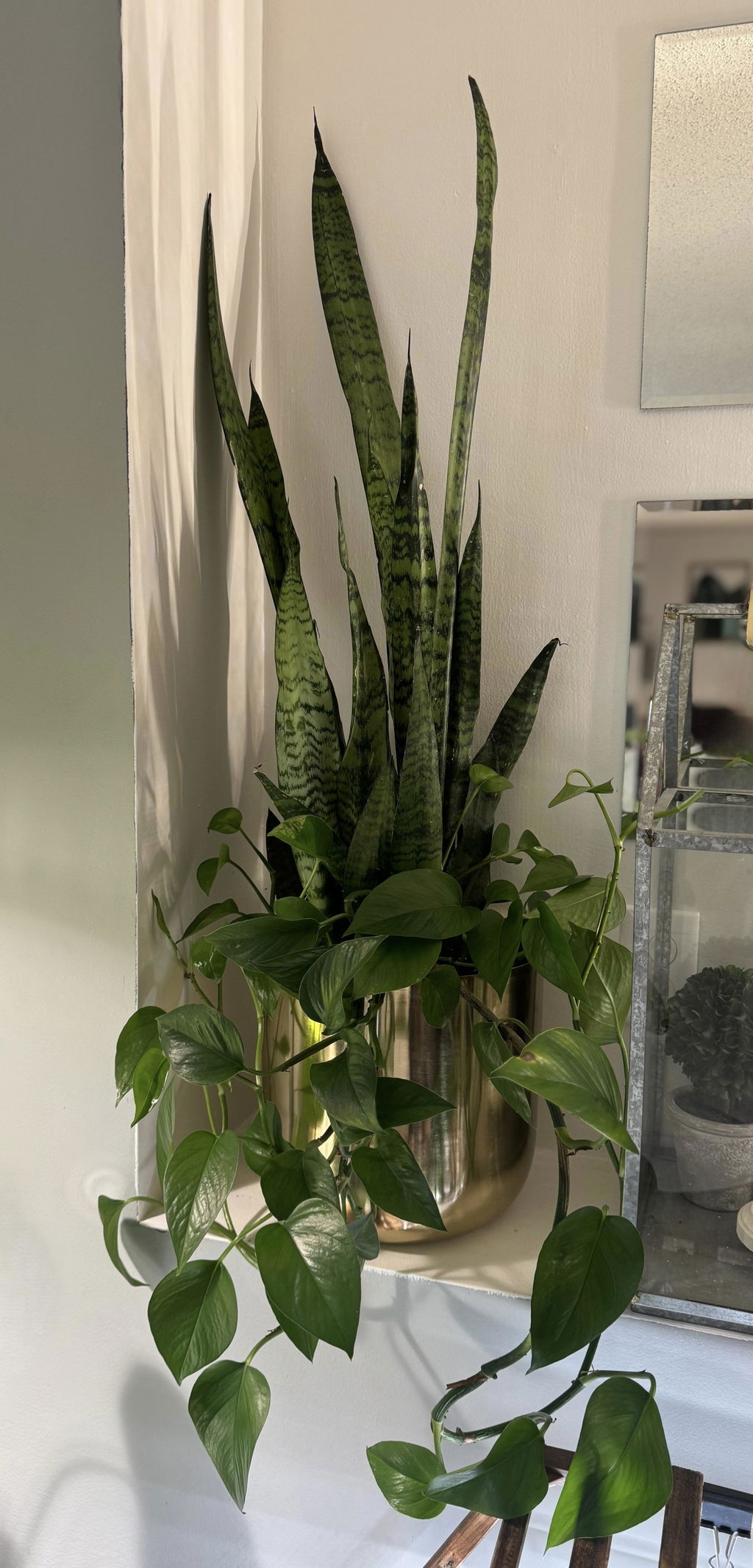
"It came to me thin and patchy — yellowing leaves, half the canopy missing. I repotted into Mother and let it sit. By May it had filled the pot, the variegation came back, and I haven't fed it once."


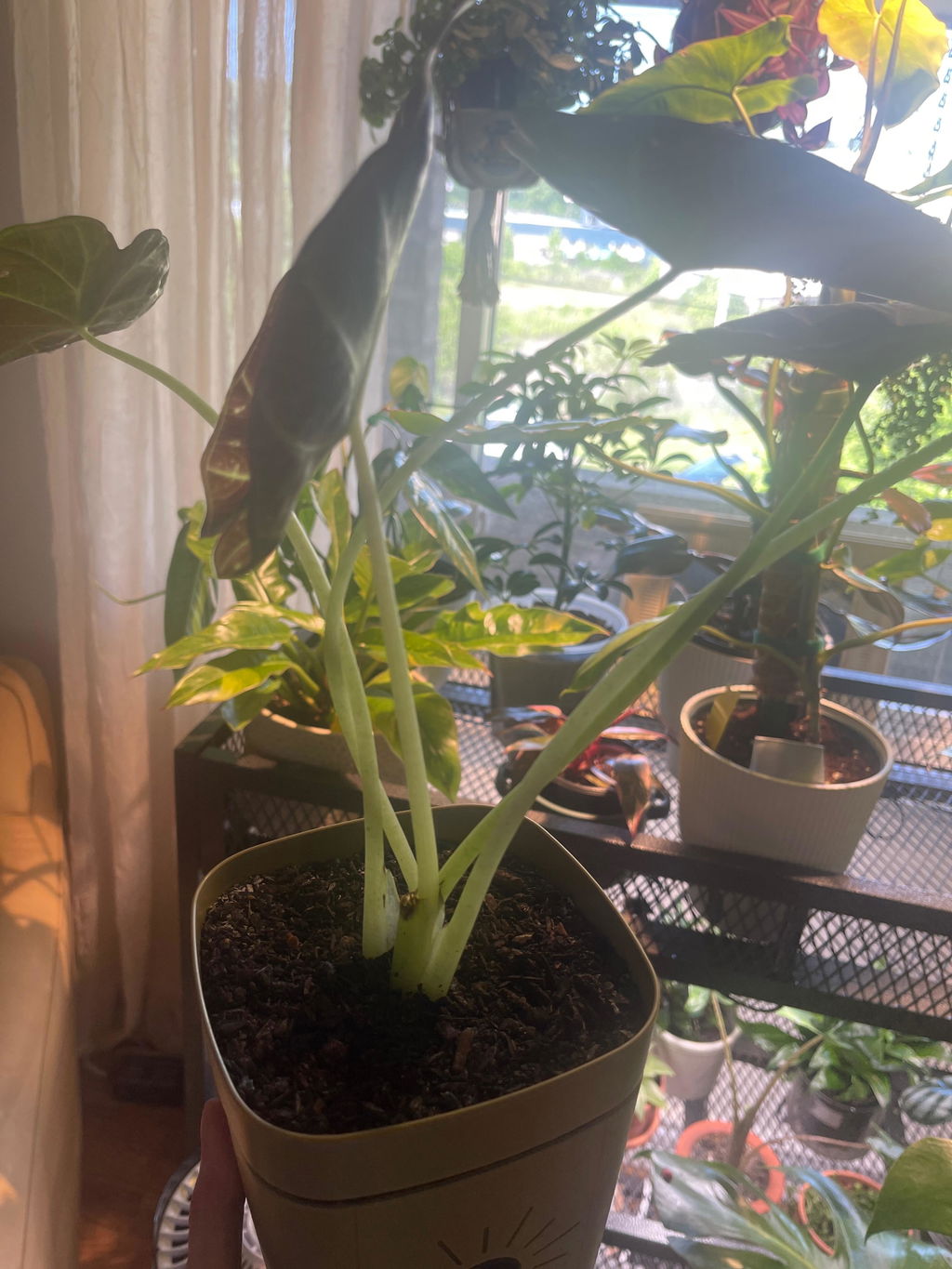
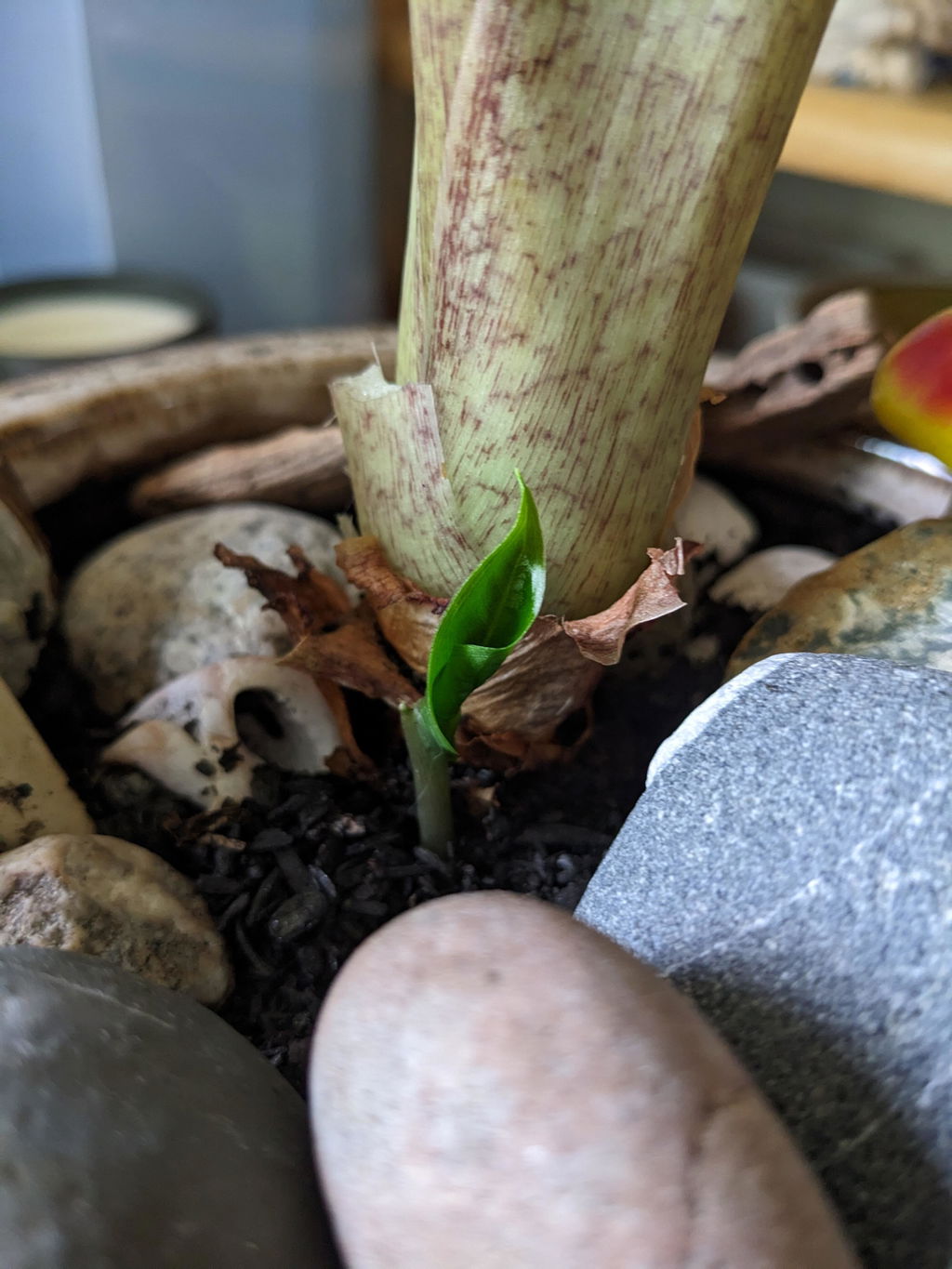
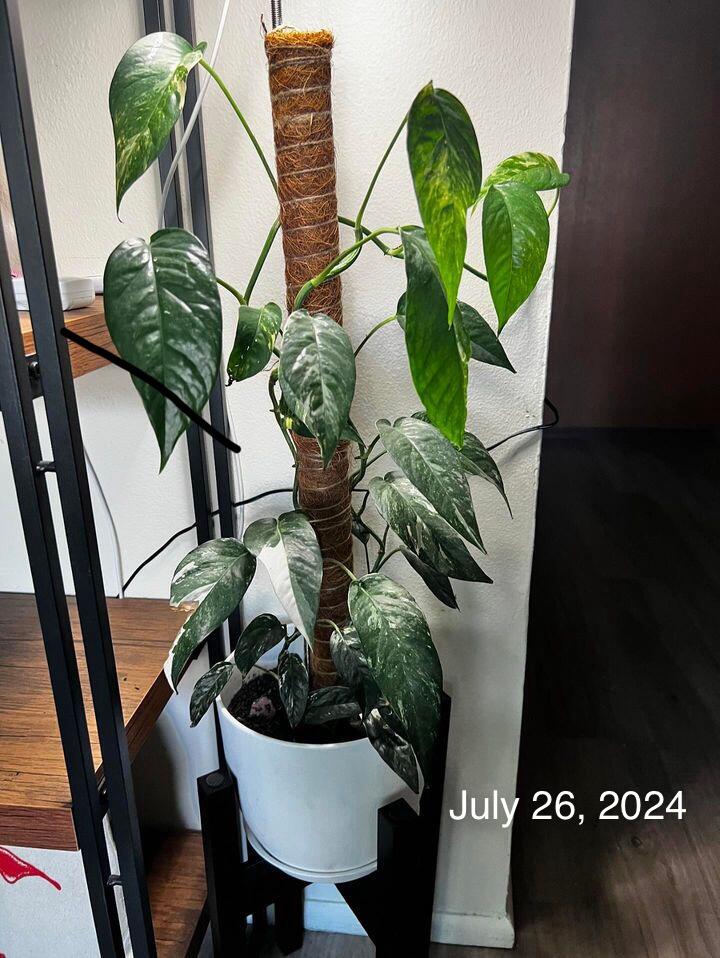
"I started with a small cutting and potted it straight into Mother. Three months in, it had thrown three new leaves with the mature ghost-finger shape — no fertilizer, no fuss. I've never had a Florida Ghost establish this fast."


The biology takes weeks to wake. Months to mature. Years to compound.
Watering activates the dormant microbial community. Roots find biological partners and begin extending. Visible: vigorous new growth, denser leaves.
Microbes deliver nutrients on demand. Plants become harder to kill — underwatering, missed feedings, and minor pests are buffered by the biological community.
The biochar backbone holds shape. Microbial diversity stabilizes. Each new plant inherits the established community — your collection becomes a system, not a struggle.
Timelines vary by plant, light, and watering habits. Biology rewards patience.
Eight attributes. The same questions every potting mix should answer — biology, base material, time, lab work, longevity. The differences aren't subtle.
| Attribute | Dead Soil | Mother |
|---|---|---|
| Microbial Life | None — sterilized in the bag | 800+ species, DNA-tested every batch |
| Base Material | Peat or coir, harvested at scale | Biochar — fire-finished, permanent |
| Brew Time | None — bagged the day it's mixed | 60 days of cool, kombucha-style ferment |
| Lab Tested | Rare for potting soil | Optimal pH + 12 macro and micronutrients verified by independent lab |
| Synthetic Fertilizer | Required, monthly | None required for 12+ months |
| Structure Life | Collapses within one growing season | Holds shape for years |
| Replace Cadence | Every spring | When you decide |
| Made For | Mass retail | Plant collectors and aroid people |
I started Mother because the soil sold to plant people was already dead by the time it reached the bag. Sterile, peat-heavy, propped up by monthly synthetic feed.
So I found Ian. Horticulturalist, permaculture farmer, the kind of person who thinks about soil the way chefs think about sourdough starters. He formulated what Mother is today.
Alex brews every batch out of his garage. Sixty days at temperature, small runs, by hand. We're a lean team and we'd rather put the money into the soil than into a facility that makes us look bigger than we are.
The plants do the rest. That's the part most soil companies don't trust them to do.
Six questions we get most. The rest are answered in the journal.
In a sealed kraft bag with a compostable interior moisture liner. The microbial community is dormant in transit and wakes up within hours of being watered. We ship Monday–Wednesday so nothing sits over a weekend.
Six months unopened, stored cool. Once opened, three to four months in a closed bin. The microbes don't die — they go dormant — so even an older bag re-activates with water.
Yes. There are no synthetic fertilizers, no pesticides, and nothing in the bag that isn't soil. We still recommend a top-dress of pebbles if you have a digger.
Write us within sixty days and we refund you in full. Keep the bag. We don't ask for photos and we don't run a returns process — the soil should do its job, and if it doesn't, that's on us.
Yes — pause, skip, or cancel from the account page. No phone call, no email back-and-forth. Most collectors run quarterly; semi-annual is common for slower benches.
Each bag is three quarts and repots about three plants in 6-inch pots. The 2-Pack (six quarts) handles up to six 6-inch repots, the 4-Pack covers twelve, and the 6-Pack covers eighteen. If you're top-dressing instead of repotting, a single bag stretches across roughly twice as many plants.

Brewed sixty days at the western edge of the Olympic rainforest. Shipped from our garage to yours.